What Is a Small Claims Demand Letter?
A small claims demand letter is a written request you send before taking someone to small claims court. It explains the dispute in plain terms and states exactly what you want to resolve, usually the payment of a specific amount. The request mirrors what you would ask a judge to order if the case went to court.
The letter also serves a practical purpose beyond the request itself. It creates a clear paper trail showing that you tried to resolve the issue first. If the dispute ends up in court, that record helps show a good-faith effort and makes your position easier to explain.
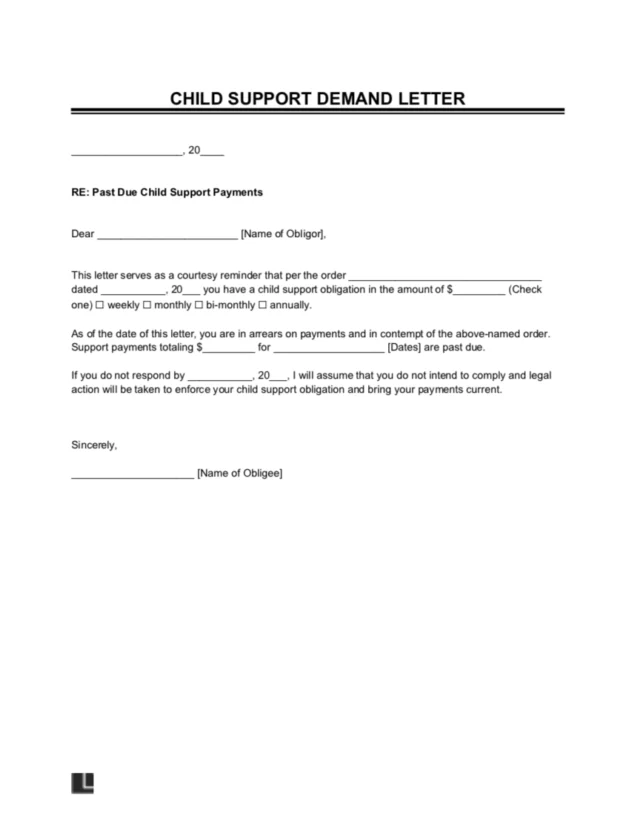
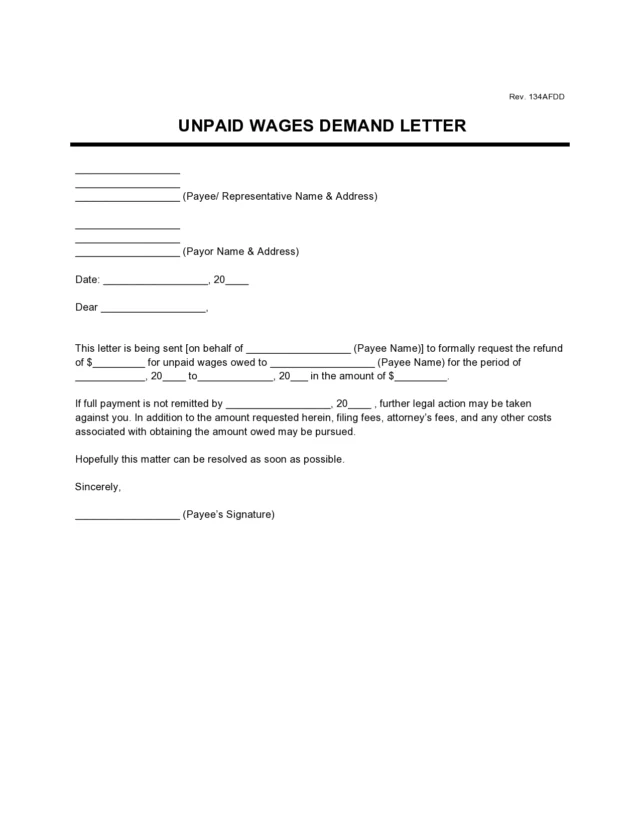
If you’re still trying to resolve a payment issue before moving toward small claims, you may want to start with a demand for payment letter or a breach of contract demand letter. These templates can help document the issue early and may resolve the matter without court involvement.
Is a Demand Letter Required Before Small Claims Court?
In many places, you should send a demand letter before you can file a small claims case. Courts often want to see that you tried to resolve the issue first. Sending a letter can also help the process move more efficiently by giving both sides a chance to settle the dispute without going to court.
Do Demand Letter Rules Change by State?
Yes. Demand letter requirements vary by state and sometimes by county. Some courts expect it in nearly every case, while others only require it in specific situations.
In California, for example, you generally need to ask for the money before filing. The demand letter gives the other party a chance to pay and avoid court altogether. If payment is made, there’s no need to file. An exception applies if there is a restraining order in place or if asking for payment would be unsafe.
Florida takes a narrower approach. Demand letters are required in certain consumer claims, such as cases involving motor vehicle dealers. In those cases, the letter must be sent at least 30 days before filing and include specific details. Missing that step can delay the case or limit what costs you can recover.
How This Letter Helps If the Case Goes to Court
- Shows you tried first, which courts tend to look on favorably
- Cuts down on notice arguments by clearly stating what was requested and when
- Makes case prep easier by organizing key facts, amounts, and documents ahead of the hearing
How to Write a Demand Letter for Small Claims Court
A good demand letter should feel easy to follow and straight to the point. Think of it as a short version of what you’d tell a judge if the case went to court.
Start with who’s involved.
- Claimant: Your full legal name, listed the same way you’d file it in court
- Claimant address: A complete mailing address tied to the claim
- Respondent: The full legal name of the person or business you’re seeking payment from
- Respondent address: Their last known mailing address for notice
Explain what happened.
- Dispute description: A brief, factual summary written in date order
- Claim type: Money owed or reimbursement only
Be clear about the money.
- Settlement amount: The exact dollar amount you’d ask a judge to award
- Small claims limits: Make sure the amount stays within your state’s cap
Set a clear next step.
- Settlement deadline: A specific date for payment before you file in small claims court
- Timing: A short response window that shows you’re serious but reasonable
- Letter date: Records when formal notice was given
A clear demand letter keeps the focus on the facts and the money involved. It shows you understand the small claims process and gives the other party a real chance to resolve the issue without court. If the case does move forward, the letter leaves you better prepared and easier for a judge to follow.
What to Leave Out of a Small Claims Demand Letter
Avoid language or details that could hurt your credibility if the letter ends up in front of a judge. Leave out emotional commentary, repeated points, or side issues that don’t affect the amount owed. Keep the focus on lawful next steps, and only include statements you’d be comfortable having read aloud in court.
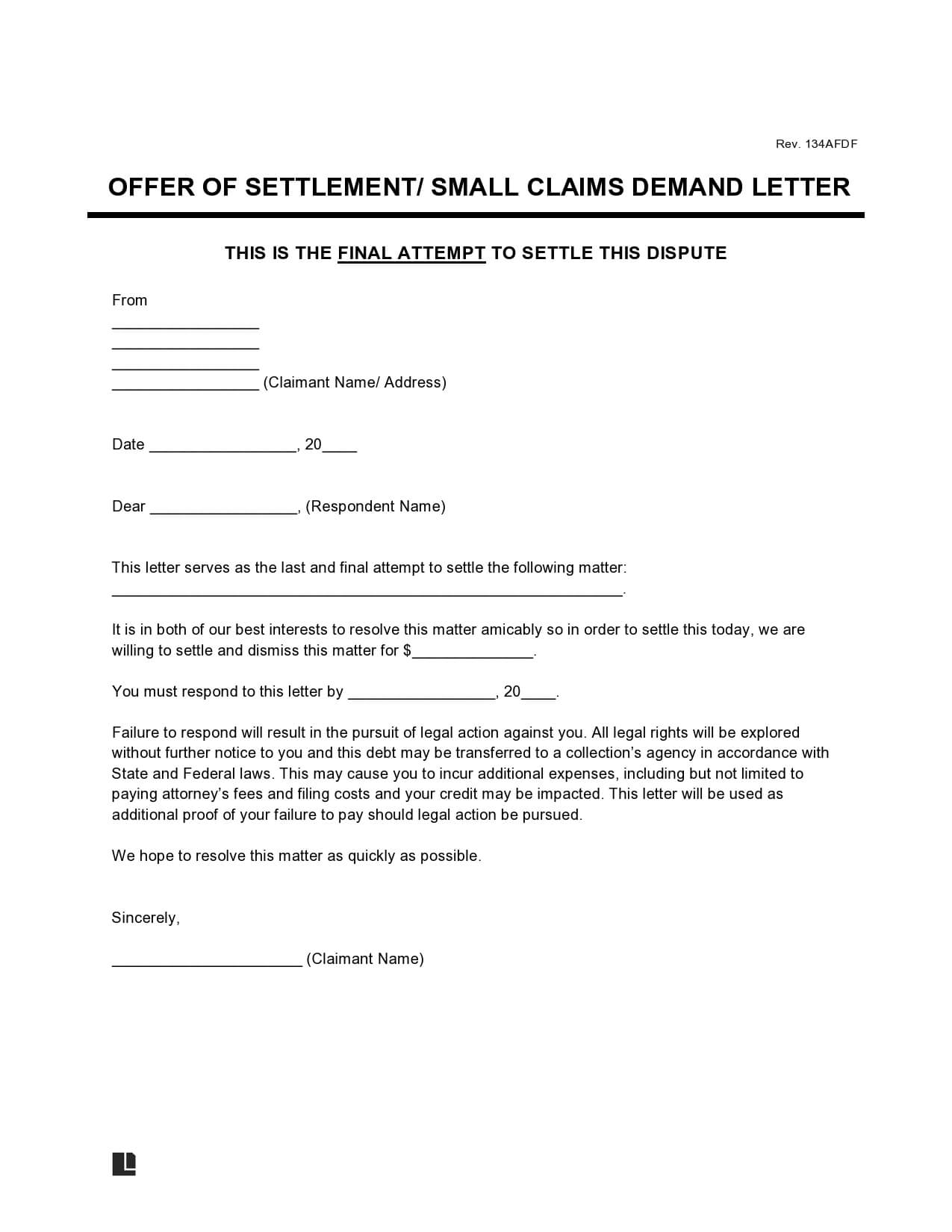
Demand Letter for Small Claims Court Sample
Review a sample demand letter to see how it’s structured. Customize the template with your details, then download it in Word or PDF.
How to Send a Small Claims Court Letter of Demand
Send your demand letter in writing so there’s a record that notice was sent. A written letter creates a clear record that you requested payment and gave the other party time to respond, which becomes especially helpful if the issue doesn’t resolve informally.
Once the letter is ready, choose a delivery method that provides proof of sending and receipt, such as certified mail or another trackable option. After sending it, keep a copy for your records. If the dispute moves to small claims court, the letter helps show when notice was given and what you requested.
What Happens If the Other Party Doesn't Respond?
If the deadline passes with no response, you may move forward with filing a small claims case. The demand letter can be used to support your claim and give the judge background on what led to the filing. In many cases, sending the letter also completes much of the preparation you’ll need for court.