What Is a West Virginia Lease Agreement?
A West Virginia lease agreement is a written contract that sets the rules for renting a home. It outlines the basic terms and conditions for both landlords and tenants. It explains key details like rent, security deposits, and responsibilities of each party.
West Virginia residential lease agreements follow the West Virginia Landlord–Tenant Act (§37-6A). Lease agreements in WV can be for any length of time, as long as both the landlord and tenant have agreed to it in writing. For verbal agreements, the lease cannot be longer than one year (WV Code § 36-1-3).
You can use a free Legal Templates’s West Virginia lease agreement template to draft your agreement. Our step-by-step questionnaire makes it easy to complete your form quickly while complying with WV law.
West Virginia Lease Agreement By Type
You can use several types of West Virginia lease agreements for different rental situations. Select the form that fits your rental situation and customize it to suit your needs.
West Virginia Standard Lease Agreement
A rental agreement for a dwelling.
West Virginia Month-to-Month Rental Agreement
Establishes a monthly tenancy so a landlord can have flexibility when renting out their property.
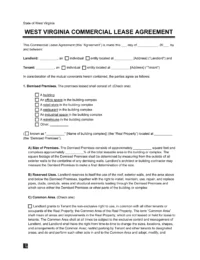
West Virginia Commercial Lease Agreement
An arrangement that allows a tenant to rent a property for the purpose of conducting business.
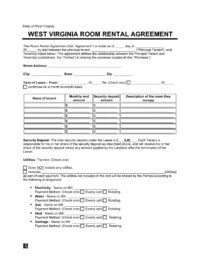
West Virginia Room Rental Agreement
A contract for renting a room in a house, including terms related to utilities and house rules.
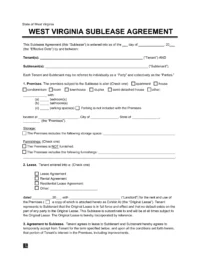
West Virginia Sublease Agreement
Allows the subtenant to rent all or part of the leased property from a tenant.
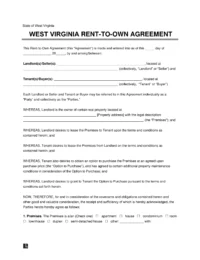
West Virginia Rent-to-Own Lease Agreement
An arrangement to rent a property with a later option to buy.
West Virginia Landlord-Tenant Laws Overview
| Topic | Rule | West Virginia Code |
|---|---|---|
| Rent Control | West Virginia does not have rent control | No statewide statute |
| Grace Period for Rent | There is no grace period requirement before a landlord can charge a late fee. | No statewide statute |
| Maximum Late Fee | Late fees must be reasonable and written in the lease. | WV Code § 37-6A-2(a)(2) |
| NSF Fee | Landlords may charge up to $25 for a returned check. | WV Code § 61-3-39e |
| Security Deposit Limit | No maximum security deposit limit. | WV Code § 37-6A-2 |
| Security Deposit Return | Must be returned within 45 days of move-out, or 60 days if a new tenant moves in sooner. | WV Code § 37-6A-1 & § 37-6A-2 |
| Repairs and Habitability | Landlords must maintain the rental unit in a safe, working, sanitary, and habitable condition. | WV Code § 37-6-30 |
West Virginia Security Deposit Laws
A security deposit is money held to cover damages or unpaid rent in a rental agreement. West Virginia has specific rules for how landlords should manage this deposit.
Maximum Amount
There is no maximum amount for security deposits in West Virginia. Landlords can choose the deposit amount themselves. However, the deposit amount must be reasonable and stated clearly within the written lease agreement (WV Code § 37-6A-2).
Deposit Handling
Under WV Code § 37-6A-2, the deposit can only be used for specific costs such as unpaid rent and damages that may be beyond normal wear and tear. Landlords are also required to keep an itemized record of any deductions they make for one year after the tenancy ends. Tenants have the right to inspect or receive a copy of these records within 72 hours of making a written request.
Return Requirements
West Virginia gives landlords a clear timeline for when they must return a security deposit. In most cases, landlords must return the deposit within 45 days after the tenancy ends. If a new tenant moves in sooner, they may take up to 60 days, but they follow the deadline that is the earliest of the two.
Landlords must also provide tenants with a written, itemized list of deductions. If repairs require a third-party contractor and the cost exceeds the deposit, landlords may take up to 15 extra days to provide the final list, provided they have given the tenant timely written notice beforehand.
Rent Rules in West Virginia
Landlords and tenants can set their own rent terms in the lease agreement. Here are some general rules you to keep in mind:
- Rent Due Date: Rent is due on the date listed within the lease agreement. West Virginia does not set a default due date.
- Grace Period: There is no grace period requirement in West Virginia. Rent is considered late if it is not paid by the due date written in the lease.
- Late Fees: West Virginia does not set a maximum late fee. Any fee must be reasonable and written within the lease WV Code § 37-6A-2(a)(2).
- NSF/ Bounced Check Fees: Landlords can charge up to $25 for a returned check under WV Code § 61-3-39e,
- Rent Increases: West Virginia has no rent control and no limit on rent increases. Landlords must give proper notice before raising rent.
- Withholding Rent: Tenants cannot withhold rent for repairs unless they are permitted to do so by a court order. Right to “repair and deduct” is not allowed in WV.
Landlord Entry Laws in West Virginia
State law offers only a few guidelines on landlord entry. Here are some key points to remember:
- General Entry: West Virginia does not set a required notice period for landlord entry. Any notice expected should be agreed upon in the lease agreement.
- Showings: No law. Landlords and tenants should agree on showing rules and include those within the lease.
- Emergency Access: No law. Landlords may enter without notice during an emergency that poses a threat to the tenant’s health, safety, or property.
West Virginia Property Repair and Habitability Laws
West Virginia has rules to keep rental homes safe and livable. These laws outline what landlords are responsible for and what tenants are generally expected to do during the rental period.
Landlord Responsibilities
Under WV Code § 37-6-30, landlords must provide a rental unit that is fit and habitable. This means that they must:
- Follow health, safety, fire, and housing codes
- Keep essential utilities like heat, plumbing, and electricity working properly
- Make sure common areas in multi-unit buildings are clean and safe
- Provide a home that is in good condition at move-in and continue to maintain it throughout the lease
Tenant Responsibilities
West Virginia law does not specifically outline tenant duties, but tenants are still expected to maintain the basic care of the home. In general, tenants should:
- Keep the home reasonably clean
- Throw away trash properly
- Avoid damaging the property
- Use appliances and utilities with care
If a tenant violates the lease by failing to maintain required utilities, the landlord may issue an immediate notice to quit for non-compliance under WV Code § 55-3A-1.
Required Lease Disclosures in West Virginia
West Virginia requires only a few disclosures in residential lease agreements. These notices can help tenants understand safety risks.
- Lead-Based Paint Disclosure: Federal law requires landlords in WV to give tenants a lead-based paint disclosure when renting a home built before 1978. This includes an EPA-approved information pamphlet and any known details about lead hazards on the property (42 USC § 4852d).
- Notice of Abandoned Property: Landlords must provide tenants with written notice before removing, storing, selling, or disposing of personal items left behind after a tenant moves out. The notice should clearly explain how long the tenant has to claim their belongings and where the items can be picked up (WV Code § 37-6-6).
If your rental unit was built before 1978, you can use a free lead-based paint disclosure form to meet federal requirements.
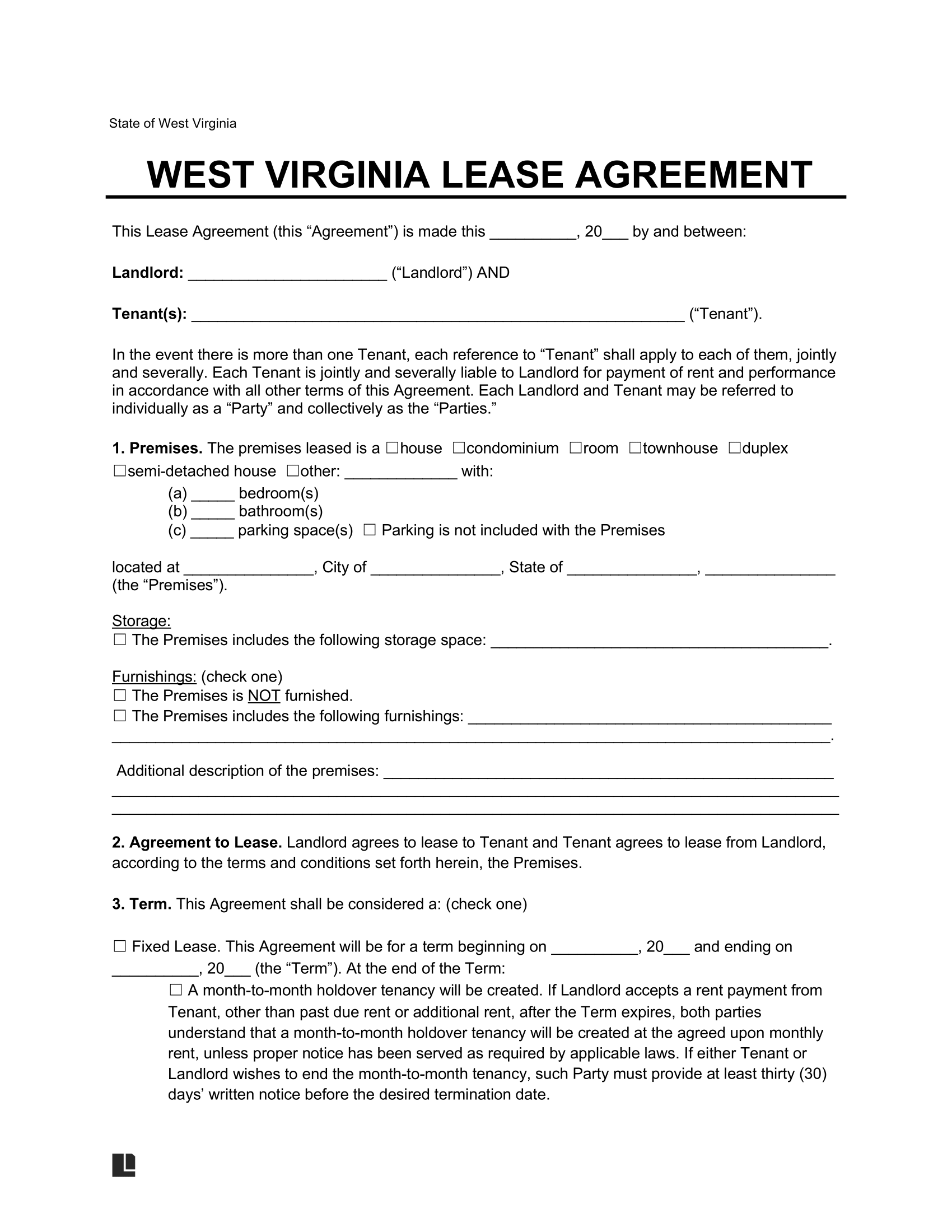
Sample West Virginia Lease Agreement
Take a look at the sample West Virginia lease agreement template below to see all the details you’d need to include in your form. When you’re ready, customize your own lease with our easy step-by-step questionnaire and download it in PDF or Word format.