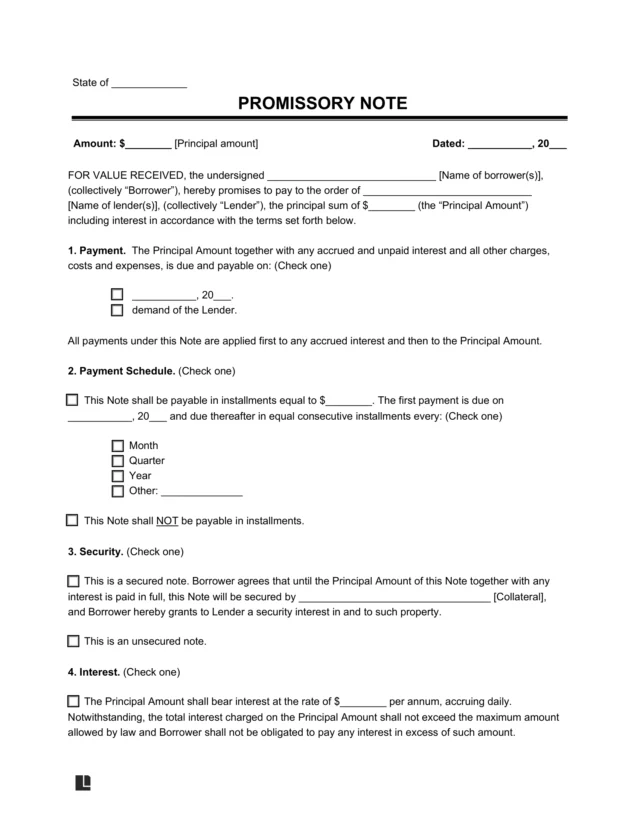
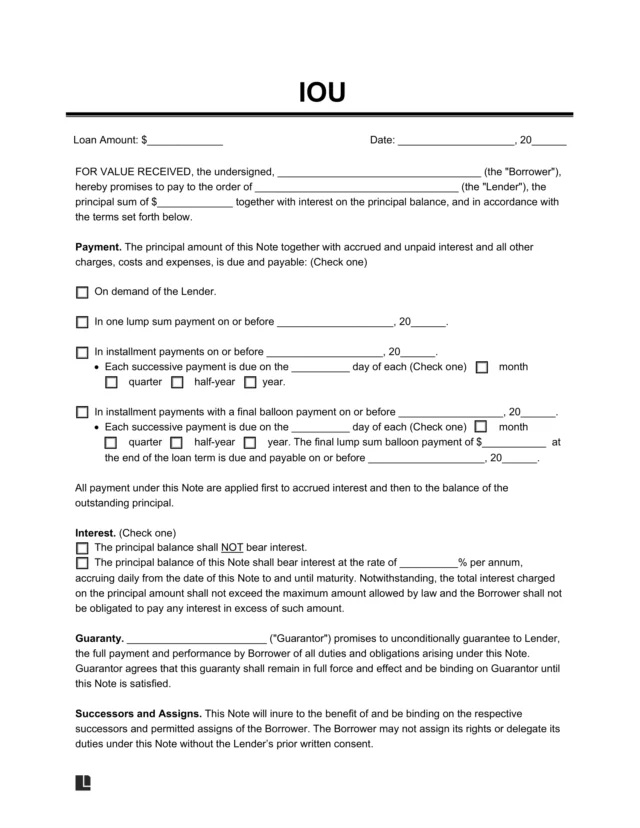
What Is a Personal Property Demand Letter?
A personal property demand letter is a written request for the return of any items being withheld by another party. This letter should detail the exact items requested and warn of any legal recourse that may be taken if the recipient does not comply. A demand letter proves you attempted to resolve issues independently if legal action becomes necessary at a later date.
Legal Templates’s free personal property demand letter allows you to request the return of your belongings. Use our form to create a record and request your withheld property.
How to Write a Personal Property Demand Letter
When writing your personal property demand letter, provide accurate information and clear terms. Including as much information as possible clearly communicates the request and potential consequences. Draft and send an effective demand letter for your personal property with the steps below.
1. Identify the Parties Involved
Record the name and address of both the sender and the recipient of the demand letter. The sender is requesting the return of their items and sending this request to the party who is wrongfully withholding them. Provide the complete, current addresses for both parties to ensure proper delivery and recordkeeping.
2. Describe Your Property
Write a precise and detailed description of the exact property you want returned to you. Include as many details as possible and any distinguishing features. For example, include the make, model, color, Vehicle Identification Number (VIN), and year when demanding a car. Also consider recording the date on which the property was given to or taken by the person to whom the demand letter is addressed.
Attaching documentation to prove ownership may also strengthen your request if the letter escalates into legal action. Reference title documents, registration forms, photos, or affidavits.
3. Sign and Date Your Letter
The sender should sign and date the letter to verify that they provided accurate information. This signature also serves as proof of the writing and delivery of the letter. In addition, the signing date helps the recipient determine when they need to return the property before facing legal consequences. Send the letter via certified mail or delivery service in order to prove that the recipient received it.
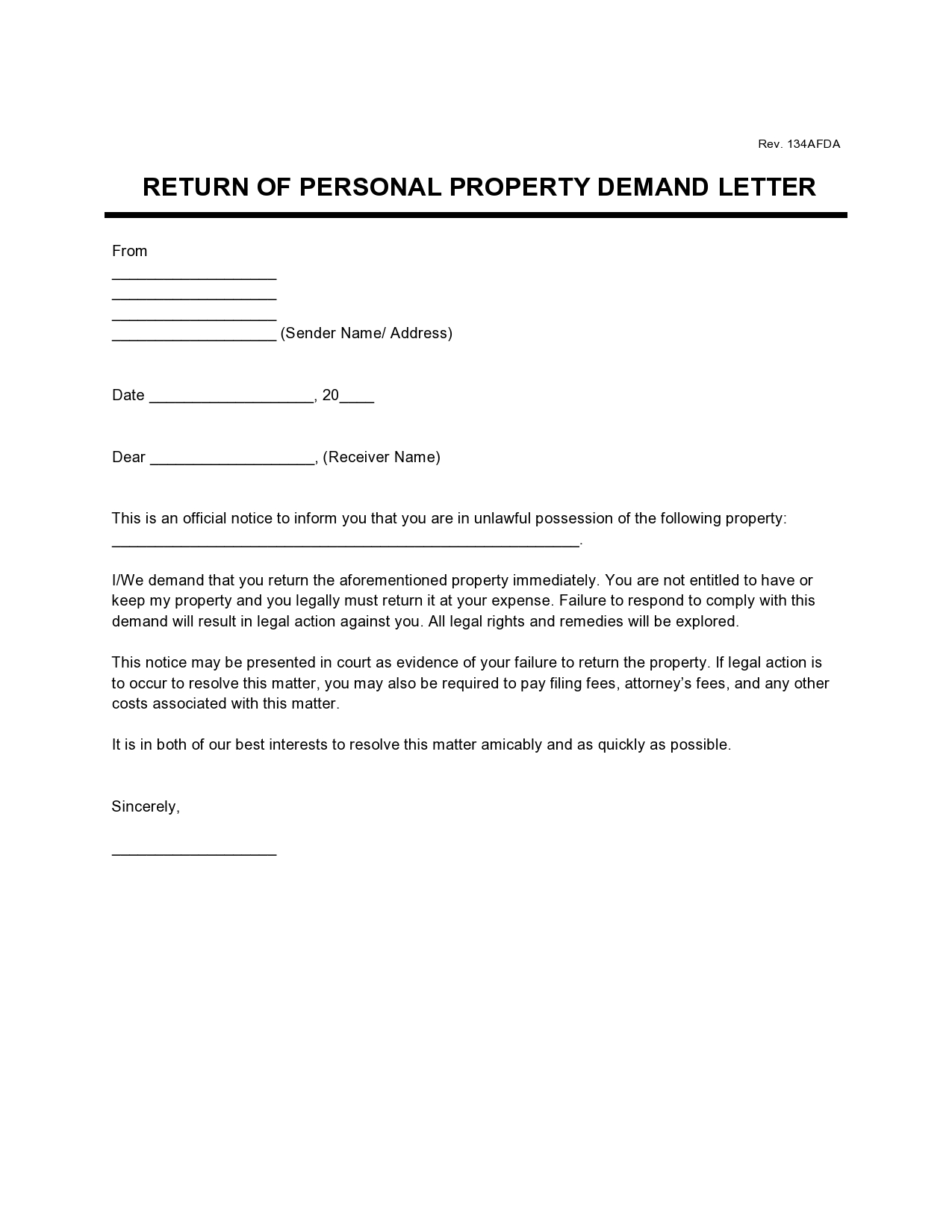
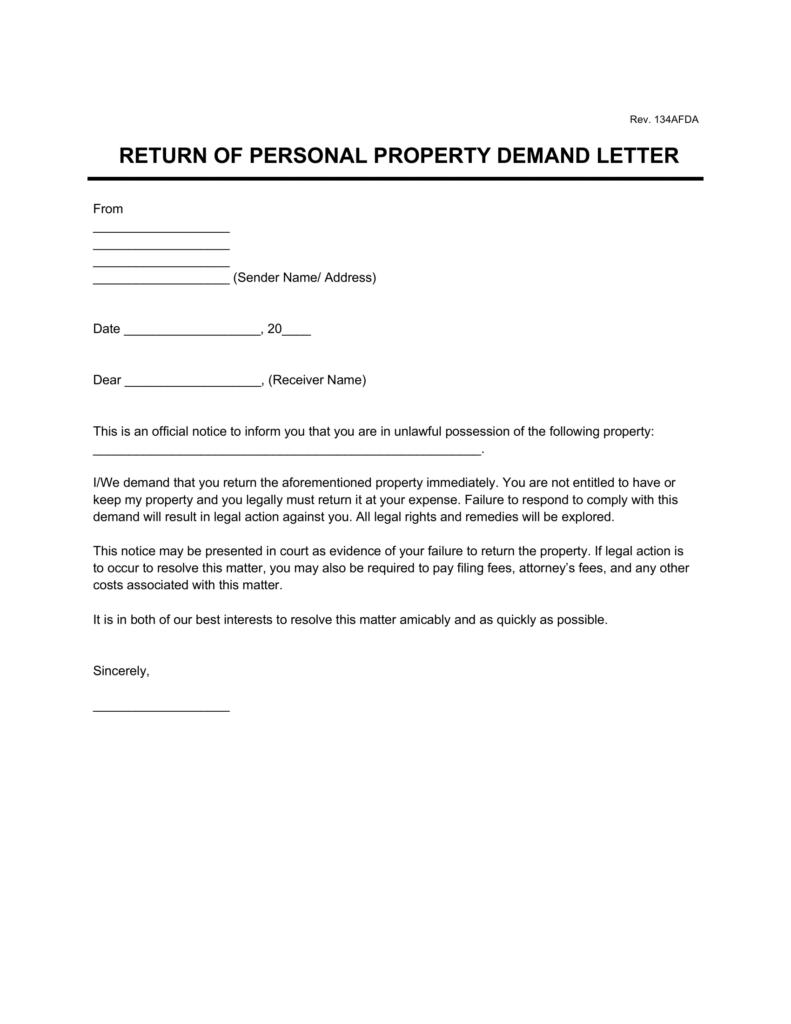
Sample Personal Property Demand Letter
Legal Templates’s free, customizable personal property demand letter ensures proper terms and formatting. Use our forms, available in PDF and Word formats, to request the return of your property.
Legal Considerations for a Personal Property Demand Letter
Many legal aspects can inform and impact your personal property demand letter. Consider any evidence you have and evaluate state property laws. Also, plan how to deliver your letter to the intended subject and any next steps you may need to take.
Proof of Ownership
Attach documentation that offers legal or clear proof of ownership for your requested property. This may include photos, vehicle registration, bank statements, receipts, or a bill of sale. Having this evidence helps verify your ownership and may help in related legal disputes.
State Laws
Some state laws may provide guidelines for property possession, particularly in unclear situations such as gifts or divorce settlements. For example, most states treat engagement rings as conditional gifts, and Western states, such as California, follow this approach, awarding the ring to the giver if an engagement falls through. However, some states, like Montana, treat the engagement ring as an unconditional gift and require the giver to return it to the receiver.
Proof of Delivery
When you send a personal property demand letter, it’s essential to verify that the other party has received it. Use certified mail to send your letter with a receipt and confirmation of delivery. This receipt serves as proof of delivery and can help establish when the letter was delivered and the timeframe for a response.
Legal Actions
If the recipient fails to respond, you can pursue legal remedies. Be sure to state in the letter that you intend to take action if the property is not returned by the demanded date. You can make a case in small-claims court if the value of your personal property is under the state maximum. This maximum varies by state, so be sure to check local guidelines.
Civil lawsuits also provide a remedy; however, this may require an attorney and can be costly. For stolen property, file a police report with a detailed description of the property and theft.