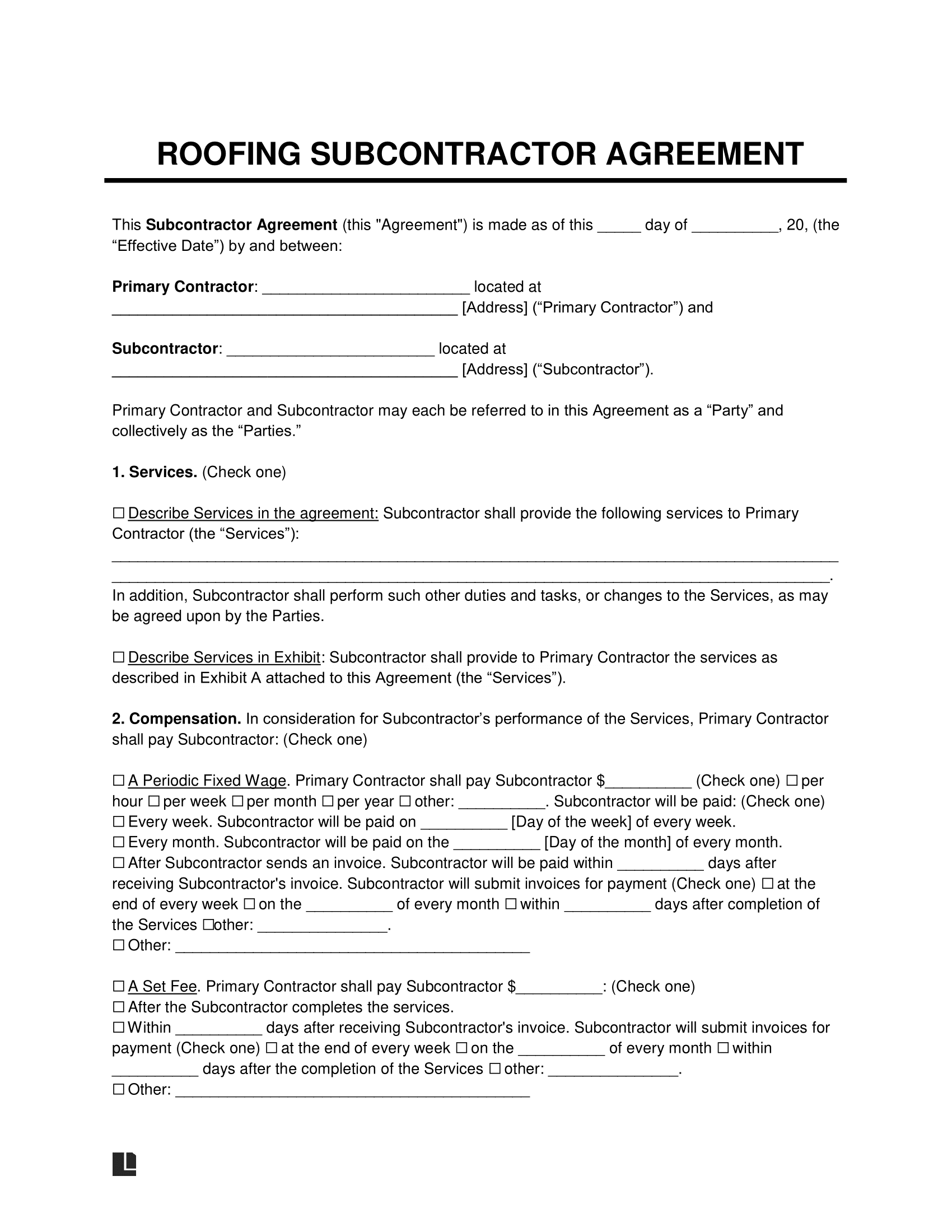
What Is a Roofing Subcontractor Agreement?
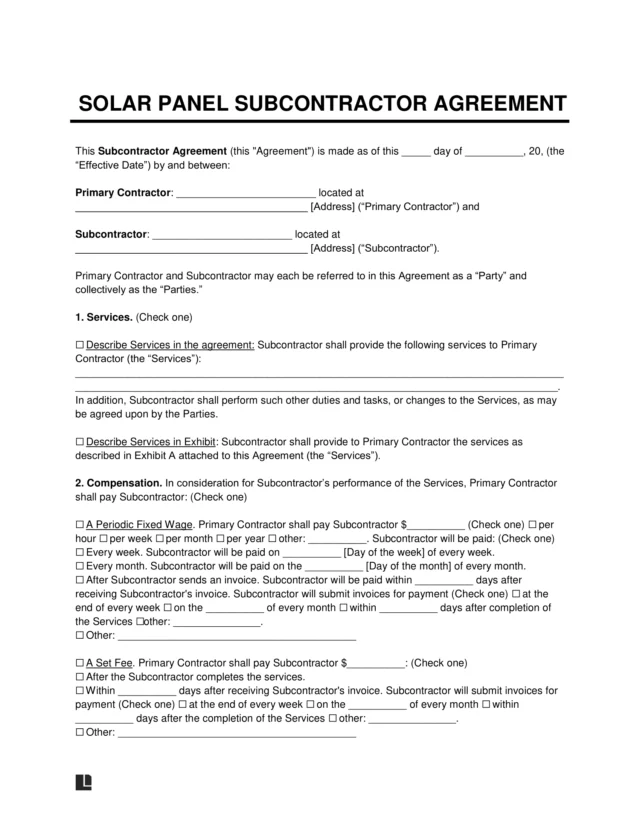
A roofing subcontractor agreement is a contract between a contractor and a roofing subcontractor. It is used when a contractor hires a subcontractor to complete part of the roofing work on a larger construction project.
In simple terms, a roofing subcontractor is not hired by the property owner. They are hired by the contractor to handle a specific part of the roofing work. If a roofer is working directly with the property owner, Legal Templates’s roofing contract template might be a better fit.
Roofing contractors usually use this agreement when they:
- Need extra crew to complete part of the roofing work
- Hire a subcontractor for a specific phase, like tear-off, installation, or cleanup
Roofing work can involve safety risks, weather delays, and working with other trades. A clear agreement helps everyone stay on the same page and avoid confusion.
How to Create a Roofing Subcontractor Agreement
Follow the steps below to create a roofing subcontractor agreement that clarifies each party’s role and responsibilities and helps avoid confusion during the project.
Step 1 – Add Contractor and Subcontractor Information
Start by listing the full legal names and addresses of both the contractor and the roofing subcontractor, including any business names. This makes it easier to identify who is managing the overall project and who has been hired to complete part of the roofing work, and ensures that the agreement is legally binding.
Step 2 – Describe the Roofing Service
Describe in detail the exact portion of the roofing work the subcontractor will complete. This may include tear-off, installation, repair, or cleanup. Be as specific as possible to avoid confusion later on. If the scope of work assigned to the roofing subcontractor is too long, you may also attach it as an exhibit.
Step 3 – Outline Payment Terms
Explain how the subcontractor will be paid for completing their portion of the roofing work. This may include:
- Per job
- Per square (roofing measurement)
- Milestone-based payments
You can use a roofing invoice template to track completed work and request payment.
Step 4 – Set the Project Timeline and Termination
State when the subcontractor will start and finish the roofing work. Include how any delays will be handled, especially those caused by weather events or risky job site conditions. Also, explain when the agreement can end early, such as for missed deadlines or failure to perform the work.
Step 5 – Include Additional Terms
Add additional terms that clearly define how the roofing subcontractor fits into the larger project and who is responsible for key parts of the project:
- Responsibilities: Clarify which portion of the roofing work the subcontractor is responsible for, who will provide materials, labor, and equipment, and who will handle tear-off debris and cleanup.
- Insurance and Liability: State what insurance the subcontractor must carry. Clarify who is responsible for property damage, weather delays, or issues discovered after the tear-off while completing their portion of the work.
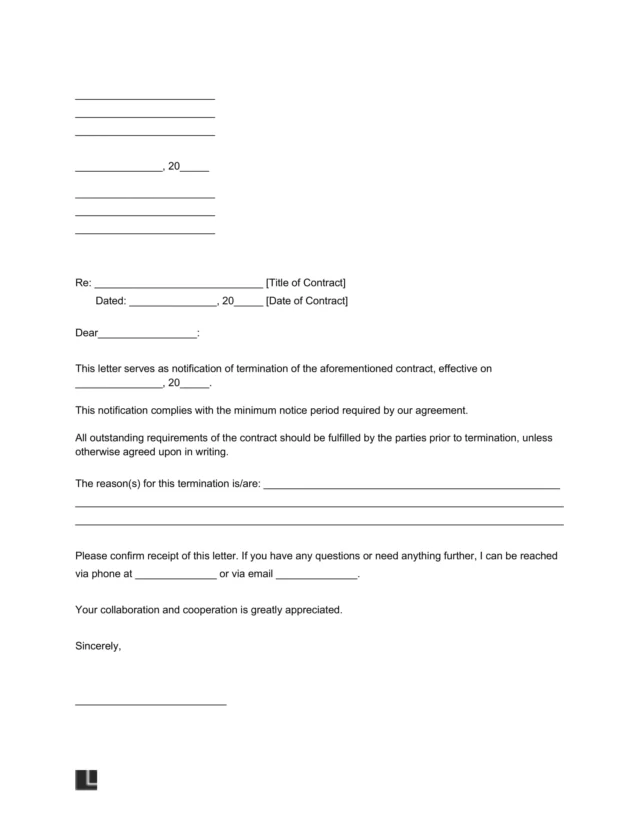
- Additional Provisions: Include terms such as confidentiality, non-solicitation, or rules about working around other trades.
Step 6 – Sign the Roofing Subcontractor Agreement
Both parties should review the agreement and sign it before work begins. A signed agreement helps ensure everyone understands their roles, payment terms, and responsibilities from the start.
Sample Roofing Subcontractor Agreement
View a free roofing subcontractor agreement template to understand all the terms your contract should include. Once you’re ready, use our step-by-step questionnaire to complete it and download it in PDF or Word format.