



What Is a Confidentiality Agreement?
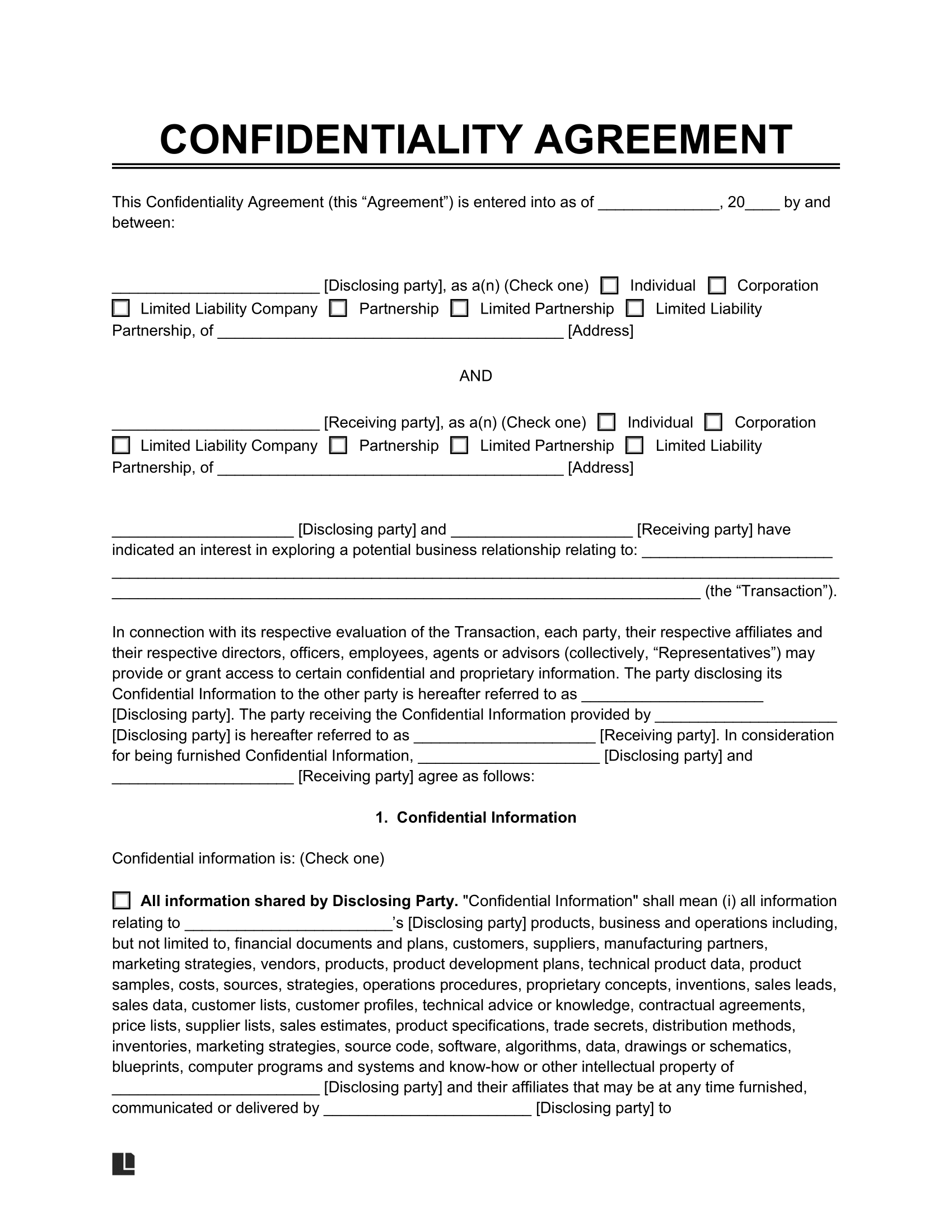
A confidentiality agreement is a legally binding document outlining information that one or more parties must not disclose to others. Similar to a non-disclosure agreement, it protects a business or individual’s private information. This agreement helps guard information during negotiations, business mergers, and other private dealings.
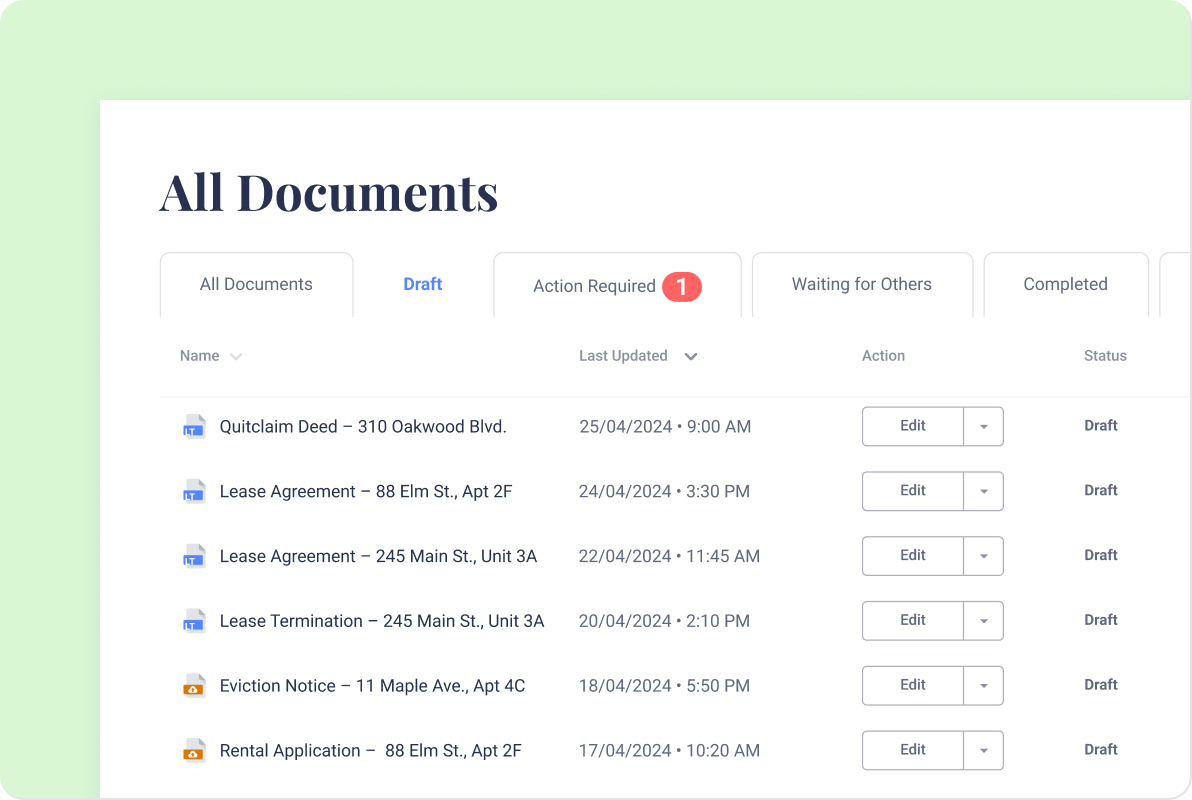
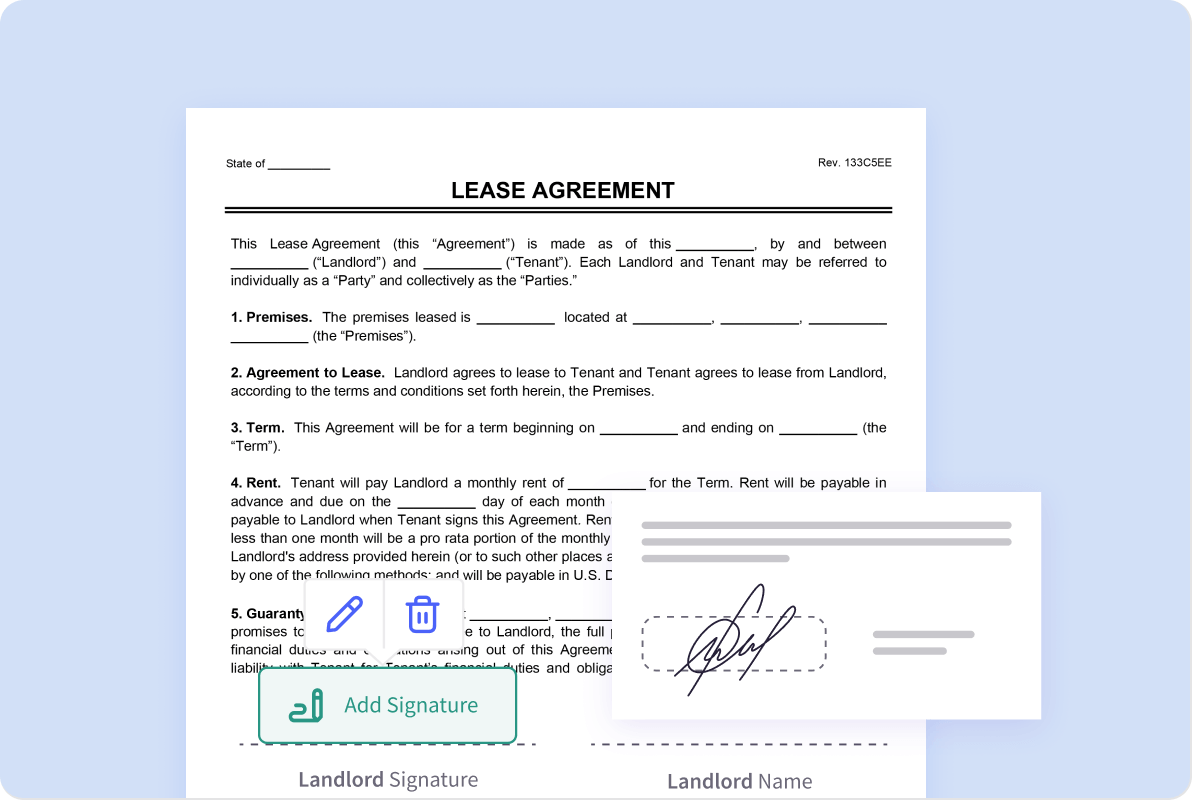
Use our free confidentiality agreement template to protect important information. Our document builder enables you to customize and create an agreement that suits everyone.
When to Use a Confidentiality Agreement
You can use a confidentiality agreement to protect information you share with new or outside parties. This ensures the receiving party doesn’t share private details with others. Know when to use a confidentiality agreement, such as when hiring or interacting with any of the following parties:
- Employees: Have employees sign an agreement to ensure they don’t disclose company information to outside parties.
- Consulting firms: Use an agreement to protect information provided to a consultant or firm during an audit.
- Interviewees: If you provide an interviewee with insight regarding the strategy or technology used, a confidentiality agreement can protect the spread of information.
- Investors: To secure funding from investors, you may need to share your technology and financial projections. Secure this information with a confidentiality agreement.
- Joint ventures: A unilateral or mutual confidentiality agreement can protect the involved parties as they share ideas, strategies, and data when entering a joint venture.
How to Write a Confidentiality Agreement
Understanding how to write a confidentiality agreement helps increase the enforceability and protections of the contract. Create an effective agreement with the following steps:
- Name the parties: Add the disclosing and receiving parties’ names, addresses, and contact information. Also, mark whether each party is an entity or an individual.
- Choose the purpose: Determine whether your agreement aims to protect information in the event of a potential business partnership. If you have a more specific objective, such as hiring an individual or merging companies, write in the exact purpose.
- Identify what is confidential: Define the scope of what information you want to mark as confidential. You can select whether to note only specific details or all disclosed information as private and protected.
- Add a non-compete clause: Choose whether to prevent the receiving party from providing information to a competing business for a specific period. If you do not specify the end date, the non-compete is only valid for the duration of the business relationship.
- Include a non-solicitation: Add a non-solicitation clause to prevent the recipient from hiring your current employees. This clause remains in effect for the duration of the business partnership, unless stated otherwise.
- Set the duration: Specify the number of months or years the confidentiality agreement will be in effect. This typically represents the duration of the business relationship, but can be extended as an indefinite arrangement.
- Note the governing state: Select the state government that will handle and verify the terms of the agreement, as state laws may differ. This is typically the state in which the disclosing party resides or operates.
Is a Confidentiality Agreement Enforceable?
The sensitive nature of a confidentiality agreement requires more careful attention to ensure it is enforceable. The court may experience difficulty determining the meaning if the deal appears too broad. On the other hand, if the contract is too restrictive, it can raise concerns about its fairness.
The agreement must clearly define which information is to be protected, the scope of the receiving party’s duties, and the duration of the confidentiality obligation. Be cautious not to include information that does not qualify as confidential under the law, such as illegal activities or misconduct. Review each section of your document for clarity, fairness, and legal compliance to ensure it is enforceable. Consider consulting a legal professional for further guidance.
If any party breaches the agreement, the disclosing party has the right to take legal recourse. In most cases, cease-and-desist letters, mediation, or legal injunctions are the initial steps in addressing a breach.