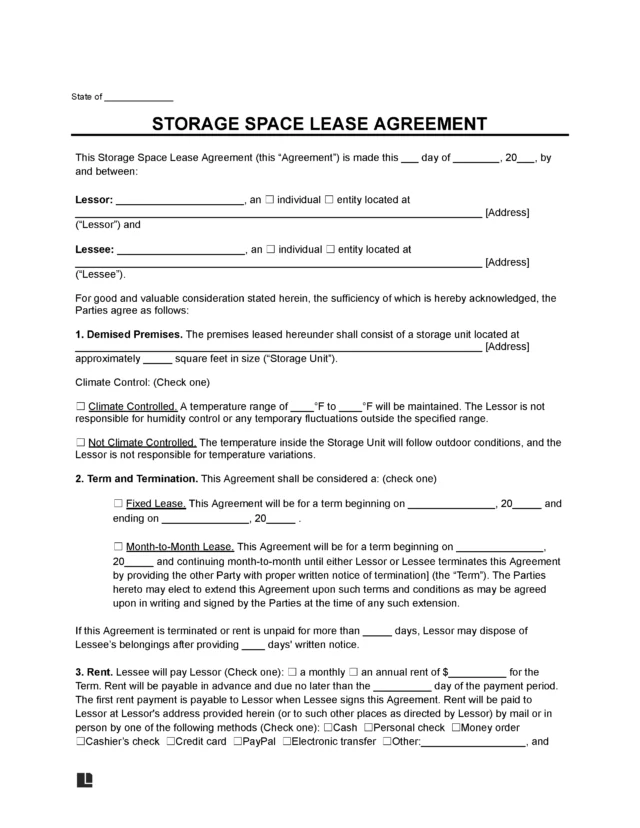
What Is a Coworking Space Lease Agreement?
A coworking space lease agreement is a contract between a workspace operator and a member for shared office space. It sets the terms for access, pricing, and how the space can be used.
It explains what you can use, like desks, private offices, or meeting rooms. It also covers payment terms and the rules for shared areas. Many agreements include access to Wi-Fi, printers, and other shared tools used by everyone in the space. It keeps terms clear. Members know what they’re paying for, and operators can manage access and payments.
When Should You Use a Coworking Space Lease Agreement?
Use a coworking space lease agreement when you’re offering shared workspace to multiple users and need one set of terms that applies across the board. It works best in flexible setups where members come and go, but expectations stay consistent.
- Renting desks or offices to multiple users across the same space
- Offering flexible access like daily, weekly, or monthly plans
- Running a membership-based coworking space with ongoing users
- Including shared amenities like Wi-Fi, meeting rooms, or kitchen access
- Using the same terms for all members to keep agreements consistent
For example, if you run a small coworking space with hot desks and a few private offices on monthly plans, this agreement helps you manage access, pricing, and shared use without rewriting terms for each member. Legal Templates helps you set up one clear agreement you can reuse, so you can onboard new members faster and keep your workspace running consistently.
If someone rents a fully private office long term, an office space lease agreement may be a better fit. Flexible shared setups usually work better as license-style agreements. If members rent from another tenant, use a sublease agreement. For mixed-use spaces (office plus light industrial), a flex space agreement may be more appropriate.
What to Include in a Coworking Space Lease Agreement
Coworking spaces rely on shared rules. A coworking space lease agreement should cover access, costs, and how the space is used. Make sure your agreement covers:
- State the space type, whether it’s a hot desk, private office, shared space, or virtual setup
- List the full location with the address and building name (add a layout if needed)
- Include the size of the space using square footage or a percentage of the property
- Outline access to shared areas like lounges, kitchens, and hallways
- Show what’s included, such as meeting rooms, WiFi, storage, and parking
- Identify the parties, including the operator or landlord and the member
- Set the lease term with a start date, end date, and renewal terms
- Break down rent with the amount, frequency, and due date
- Confirm payment methods like check, wire, or other options
- Include the security deposit with the amount, terms, and any interest
- Add late payment rules with grace periods, fees, and interest
- Explain operating costs and whether they’re included or separate
- List utilities like internet, electricity, water, and other services
- Note taxes and whether the member pays them
- Limit how the space can be used by stating the business purpose and any restrictions
- List services provided, like cleaning, maintenance, or support
- Set day-to-day rules for noise, shared areas, and cleanliness
- Add restrictions on signage, equipment, or changes
- Describe move-in condition and when issues must be reported
- List furniture and fixtures included with the space
- Note if improvements are allowed and what needs approval
- Assign repairs and maintenance so responsibilities are clear
- Set insurance requirements, including coverage and added parties
- Cover liability for damage, loss, and business activity
- Explain subleasing or assignment, and if approval is needed
- Cover damage or destruction, and what happens if the space can’t be used
- Outline default terms with timelines to fix issues and end the lease
- Set governing law and dispute terms like court, mediation, or arbitration
Shared spaces only work when everyone follows the same rules. With these terms in place, you can assign desks, set billing, and grant access without changing the agreement each time. Legal Templates helps you create one version you can use for every new member.
Your agreement should match how your space actually works day to day. Include hours, key or fob access, guest rules, and how shared spaces are booked to avoid conflicts between members.
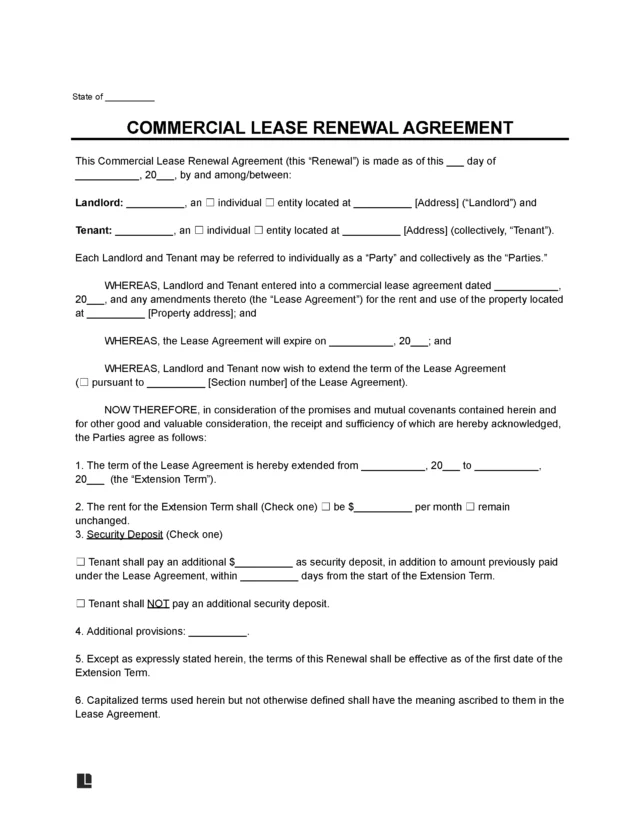
Sample Coworking Space Lease Agreement
View a sample coworking space lease agreement to understand the setup. Then customize your version and download it in Word and PDF.