

When you sign a lease, you’re often obligated to remain and pay rent for the lease’s term (such as one year). However, circumstances may arise that cause you to want or need to break it early. While it’s possible to break a lease early, it requires careful planning. Learn how to get out of a lease early and understand what can happen when you end your lease before the official term is over.
Reasons to Break a Lease Early
You may need to break your lease early due to life circumstances, such as:
- A job relocation
- Financial hardship (unable to pay the rent)
- Personal reasons (needing to move closer to family)
These reasons for breaking the lease often aren’t legally permissible, so you may face a penalty or payment. However, you can review the ways to break an apartment lease early to minimize the consequences.
In some instances, you may have a legally permissible reason to break the lease. In these cases, your landlord is often obligated to terminate your lease without penalty. Here are some reasons that may justify a consequence-free end to your lease:
- The property is uninhabitable. Landlords have an implied warranty of habitability, meaning they must keep the unit fit to live in. If a landlord does not address structural issues or fails to provide essential services, you may be able to break the lease for the unit being unfit.
- The landlord has harassed you. If your landlord enters illegally without a landlord notice to enter, shuts off utilities, verbally abuses you, retaliates for your report of a code violation, or issues a fraudulent eviction threat, you may have grounds for breaking the lease early.
- You are a victim of domestic violence. It depends on your state’s laws, but you may be able to break the lease without penalty if you’re a victim of domestic violence. However, protections may be limited for private, non-federal housing.
- You are actively serving in the military. If you get deployed or are permanently changing stations, you can end your lease early without penalty thanks to protections from the Servicemembers Civil Relief Act.
- There is criminal activity on the property. If crime in your neighborhood is exacerbated by your landlord’s failure to maintain safety, you may have grounds to break your lease.
If you have a legally permissible reason, be sure to collect ample evidence to support your case. Then, submit a written notice of intent to vacate the property. This communicates your plans to leave to your landlord. By including the reason and supporting documentation, your landlord may be able to terminate your lease without penalty.
How to Break an Apartment Lease Early
If your situation has changed and you can’t remain in your apartment, you may not have to pay hefty fees. Here are some ways you can break a lease without paying and minimize or avoid potential penalties.
1. Review Your Lease Terms
Review your lease agreement to see what it says about ending your lease early. Some leases include a homebuying clause, meaning you can end your lease without significant penalties if you need to terminate it to buy a home. With this kind of arrangement, you’ll likely have to provide sufficient notice (often 60 days’ notice) and proof of purchase.
You can also see if there’s an early termination fee you can pay. While this often costs between one and two months’ rent, you can pay it and get out of your contractual obligation with no negative consequences.
2. Communicate With Your Landlord
Always communicate with your landlord if you need to end your lease early, especially if your lease is silent on early termination. Ask what your landlord is willing to do for your situation.
Even if your lease is clear about early termination, you can negotiate the terms and see if your landlord is open to a more flexible or favorable agreement.
In-person discussions can start the conversation, but it’s also important to get your requests in writing. Use an early lease termination letter to document your communication, stating your reason for termination and requesting your desired conditions. While your landlord isn’t guaranteed to comply with a request that falls outside your original contract, it’s worth asking and seeing how flexible they’re willing to be.
3. Ask to Transition to a Month-to-Month Lease
If you’re on a fixed-term lease, you may ask your landlord to convert it to a periodic lease, such as a month-to-month or week-to-week lease. While they may not always agree, some landlords will allow it to create more flexibility for themselves.
On this new type of lease, you can end it by issuing a proper notice with a lease termination letter. This can allow you to remain for a month or two and then end the lease sooner than you could with a standard fixed-term lease. However, be careful with this strategy, as it can affect your living situation if your landlord decides to terminate your lease sooner than you were expecting.
4. Help Find a Replacement Tenant
Consider helping your landlord find a replacement tenant. In many states, landlords have a duty to mitigate damages for residential leases by making reasonable efforts to find a replacement tenant.
However, you can expedite the process by advertising yourself on local platforms or finding someone you know to take over the lease. The sooner the landlord finds a new tenant, the less you’ll have to pay in owed rent.
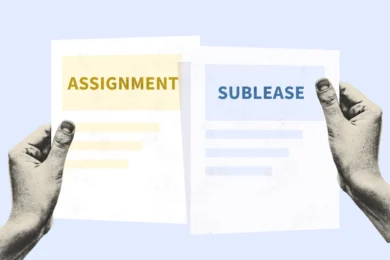
5. Consider Subleasing
Subleasing is when you find a new renter (a “subtenant”), but there is no new rental agreement between the subtenant and the original landlord. Instead, the subtenant signs a separate sublease agreement with you (the original tenant) and pays rent to you directly.
Your name remains on the original rental agreement. This makes you legally responsible for anything that happens to the property, including if the subtenant is late paying rent. Because your original lease is still active, you aren’t technically terminating a lease if you sublet, and you won’t get your security deposit back until the end of your lease term.
Not all landlords allow subletting. Check your rental agreement or ask your landlord before you consider subletting. Secure your landlord’s permission to sublease if needed.
6. Assign the Lease
You may assign the lease to someone else using a lease assignment agreement. This document transfers the rights and obligations of your lease to another party, voiding your original rental contract and releasing you from legal obligations. It requires the landlord’s approval, so make sure you have it before proceeding.
If you only want to sublease a specific room and not the entire unit, use Legal Templates’s room rental agreement.
7. Pay the Remaining Rent
Once you’ve exhausted all your options, the last recourse is to pay off the rent for the remainder of your lease period. This is a realistic option if you’re near the end of your lease and only have a month or a couple of weeks remaining.
Although it isn’t always financially feasible, it’s a guaranteed way to avoid paying the penalty for terminating a lease and the possibility of adverse credit reporting. If you’re worried about paying everything off immediately, discuss with your landlord the possibility of paying off the balance in installments.
What Happens If You Break a Lease?
The consequences of breaking a lease can vary depending on the reason for breaking the lease and what steps you decide to take. Here are some possible implications to be aware of:
- Lower credit score: Breaking a lease agreement early can reduce your credit score due to unpaid rent being sent to collections.
- Loss of security deposit: When you break your lease before the term is up, you may forfeit your original security deposit.
- Continued rent payment: You may have to keep up with your rent payments until the landlord finds a replacement tenant.
- Lawsuits for unpaid rent: Your landlord may sue you in court for unpaid rent.
- Difficulty finding a new rental unit: You may have challenges finding a new rental unit. Breaking a lease shows you’ve breached a contract in the past and creates a record, whether through tenant screening reports or direct contact with previous landlords.