What Is an Affidavit of Correction?
An affidavit of correction is a sworn statement used to fix incorrect information on a document. It corrects minor mistakes on deeds, vehicle registrations, business documents, or certificates.
Affiants complete and sign it before a notary public to verify that the provided changes are valid. They should avoid using an affidavit of correction for substantive changes, as it is intended only to correct clerical errors. Using an affidavit of correction for major changes can be considered fraudulent, as it attempts to update the legal record without going through the proper steps and involving the relevant parties.
Use Legal Templates’s free affidavit of correction template to ensure valid terms. Our forms have the necessary formatting and elements to issue valid corrections.
How to Write an Affidavit of Correction
Write an affidavit of correction by referencing the original document and providing corrections. Ensure proper documentation by creating an affidavit of correction with the following steps.
1. Reference the Document
Begin your affidavit of correction by identifying the existing document that you want to correct. Indicate the type of form and provide the form’s full title and the date of signing. Also, note whether the document was filed with any institutions or government agencies.
Forms that can be corrected with an affidavit often include the following:
- Mortgage deeds
- Quitclaim deeds
- Warranty deeds
- Transfer-on-death deeds
- Lady Bird deeds
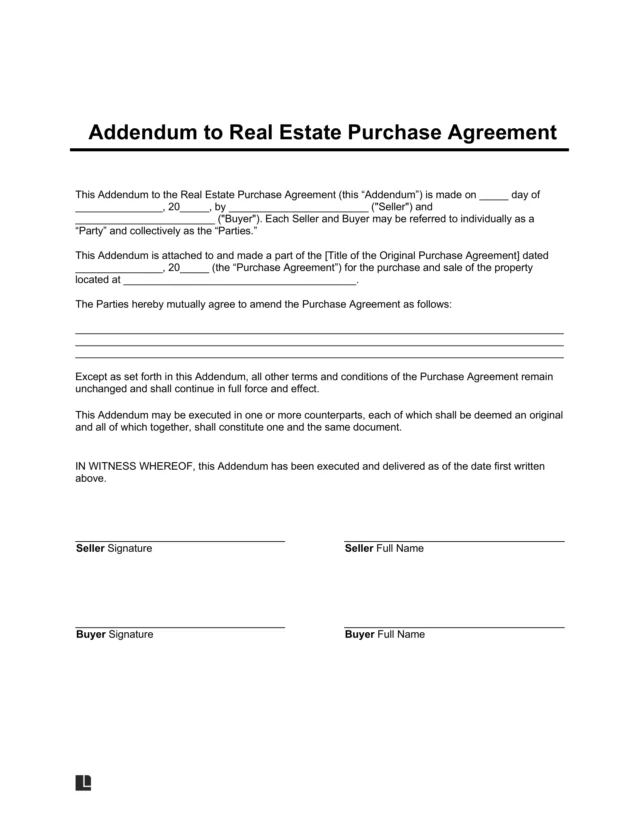
- Purchase agreements
- Articles of organization
- Articles of incorporation
- Marriage certificates
- Divorce certificates
- Birth certificates
- Death certificates
- Vehicle titles
2. Provide the Corrections
Next, state the section and information being corrected. Begin by recording the error as it appears on the existing document, then provide the correct data. Consider attaching a copy of the original form with the error for easy reference.
An affidavit of correction is usually used to correct minor, non-material errors. These errors, often called “scrivener’s errors,” can refer to mistakes such as the following:
- Typos
- Technical errors in a legal description
- Incorrect dates
- Misspelled names
- Missing middle initials
- Marital status
3. Enter Affiant Information
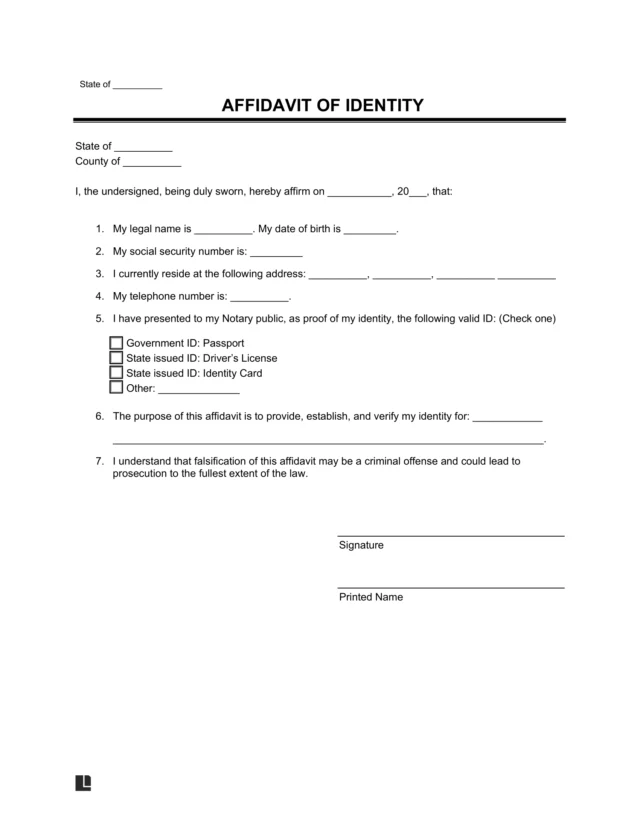
Once you have made your corrections, verify your identity as the affiant. The affiant is the individual who provides the sworn statement, affirming its validity. Provide your full legal name, mailing address, phone number, and email address for easy identification and contact.
4. Sign and Notarize
Finally, verify the affidavit of correction by obtaining a notary acknowledgment. The affiant must sign in front of a notary public and note the state and county. This ensures the document is accepted as valid and binding.
Sample Affidavit of Correction
Use Legal Templates’s free affidavit of correction form to correct your document information. Our customizable template is available for download in PDF and Word formats.