What Is an Employee Onboarding Checklist?
An employee onboarding checklist is a structured list of tasks that an employer or HR uses to guide new hires’ integration into the company. It keeps the process consistent for all new employees and helps employees understand what to expect.
With a hiring checklist, employers can ensure employees have the support they need to succeed in their roles. It also increases productivity, as employers can optimize their resources to help employees get started.
An employee onboarding checklist can help employees feel more confident about their abilities and place within the company. This can result in higher employee retention and satisfaction rates.
How to Onboard a New Employee With a Checklist
Having an employee onboarding checklist helps you stay organized and keep track of key administrative tasks. When you’re bringing a new employee onto the team, you can do so in five distinct phases, from pre-onboarding to the 90-day check-in.
Below, we’ve outlined the key tasks involved in employee onboarding, all of which you can keep track of with Legal Templates’s checklist.
Phase 1: Pre-Onboarding
Before the employee’s first day, you can mark off these items on your employee onboarding checklist:
- Review the job description. Have the employee look over the job description so they know what duties you’ll expect them to perform. If they are unfamiliar with any tasks or skills, you’ll know in which areas to emphasize their training.
- Complete a background check. Make sure your potential employee passes a background check to ensure the safety of the rest of your team.
- Prepare essential documents. Finalize a job offer letter and an employment contract to formalize the employee-employer relationship. Also, ensure that the employee completes essential tax forms, including Form I-9 and the W-4 form.
- Confirm the start date. Clarify when the employee’s first day of work will be to ensure someone will be available to guide and train them.
- Identify workspace and equipment needs. Ensure the employee has what they need to perform their duties. If they will work from home, fill out a remote work agreement to list the equipment the company will provide them with.
Phase 2: First Day of Onboarding
An employee’s first day will likely be full of essential tasks to help them get accustomed to the work environment. Here are some essential first-day tasks to check off your employee integration plan:
- Provide the first-day welcome experience. Introduce the new employee to their manager and the team members they will be collaborating with.
- Give an office tour. Provide a tour of the office, emphasizing the spaces that the employee will be working in most often.
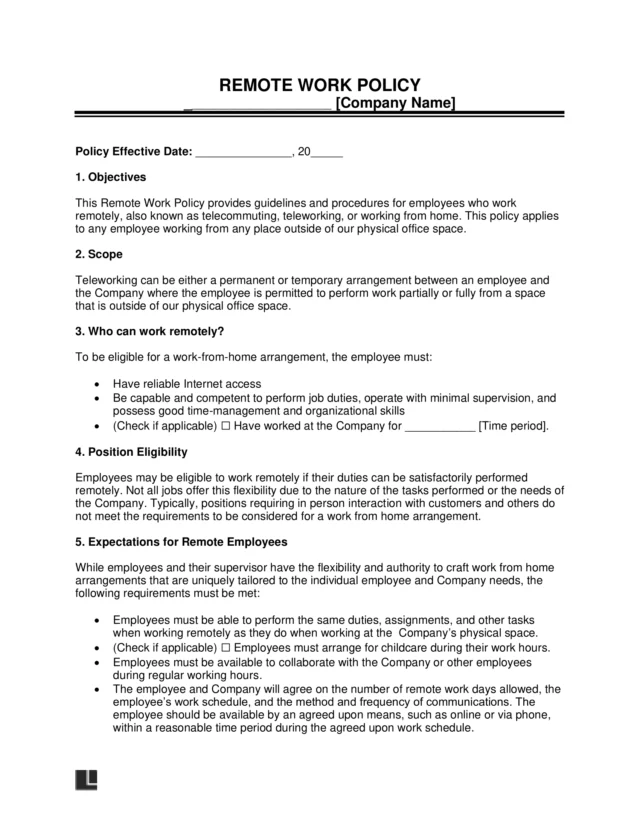
- Review the employee handbook and company policies. Go over the employee handbook and specific company policies, including those for the dress code, cell phone usage, social media, harassment, AI usage, and remote work.
- Set up the equipment and workspace. Ensure the employee has the equipment and space they need to perform their work duties.
- Provide IT system access and set up login information. Grant the employee access to the essential systems they’ll need, send them instructions to set up their own login credentials for company software and accounts.
- Relay the health and safety information. Communicate the information employees need to maintain a healthy, safe environment. Explain what constitutes grounds for disciplinary action, including an employee incident report form.
- Schedule first-week meetings. Find times that work for the employee to meet with managers and team members to discuss current work tasks and ongoing projects that the employee will eventually join.
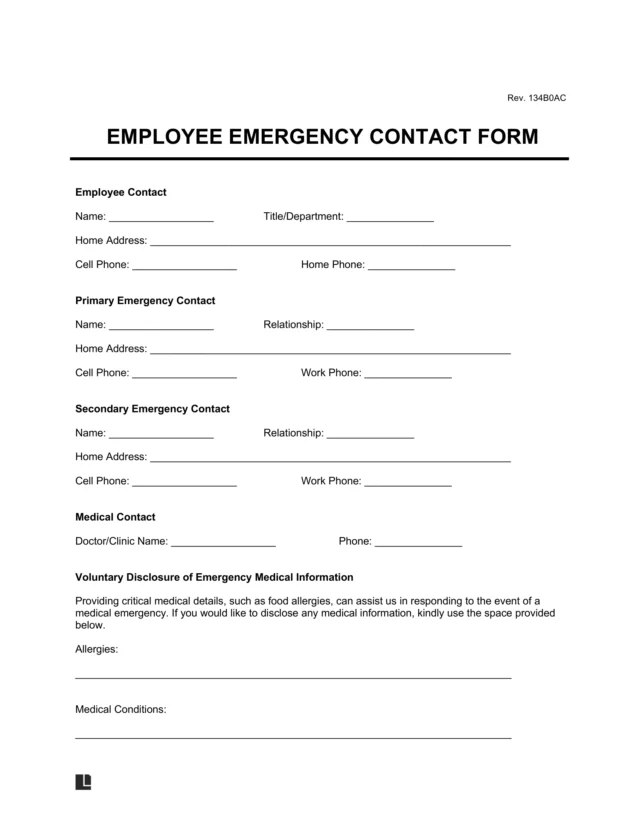
Have the employee complete an employee information form so you have key details on file.
Phase 3: First Week of Onboarding
As the employee becomes more familiar with the work environment in their first week, you can check off these tasks on your new hire checklist:
- Conduct a manager check-in meeting. Have the employee meet with their manager to discuss their progress so far and communicate key tasks.
- Present information on the company’s culture and values. This helps ensure that the employee conducts themselves in a manner that aligns with the company’s core beliefs.
- Provide role-specific training and workshops. Ensure the employee attends role-specific training so they can refine their skills.
- Introduce internal communication tools. Give the employee access to internal communication tools, including messaging apps and project management systems.
- Review performance expectations and goals. Communicate what benchmarks you want the employee to achieve in their first weeks with the company.
Phase 4: First Month of Onboarding
Here are some items to mark off your employee integration plan during the employee’s first month:
- Assign a mentor to the employee. Ensure your employee has a designated mentor whom they can go to for help with job tasks and long-term career development.
- Engage in additional role-specific training and workshops. Help the employee refine their skills by having them participate in additional training.
- Hold department and cross-functional team meetings. Have the employee engage with other company personnel to help them understand the impact of their role.
- Have a performance feedback session with the manager. Allow the employee to meet with their manager. The manager can provide direct feedback on their performance during the first month.
- Identify areas for ongoing development and support. Note where the employee can improve and create an action plan to support their development.
Phase 5: 90-Day Onboarding
After the first month, you should not be done checking up on an employee. A comprehensive staff onboarding checklist includes action items for an employee’s 90-day check-in:
- Give a comprehensive performance overview. Review the work that the employee has performed during their first three months with an employee evaluation form. Explain how it aligns with the company’s standards.
- Discuss long-term goals and the employee’s career development plan. Allow the employee to talk about their long-term goals with the company and how they’d like to progress in their career.
- Celebrate accomplishments and milestones. Acknowledge the employee’s achievements with public shoutouts or a lunch with leadership.
- Gather feedback on the onboarding process. Accept feedback from the employee on the onboarding process so you can improve it for future new hires.
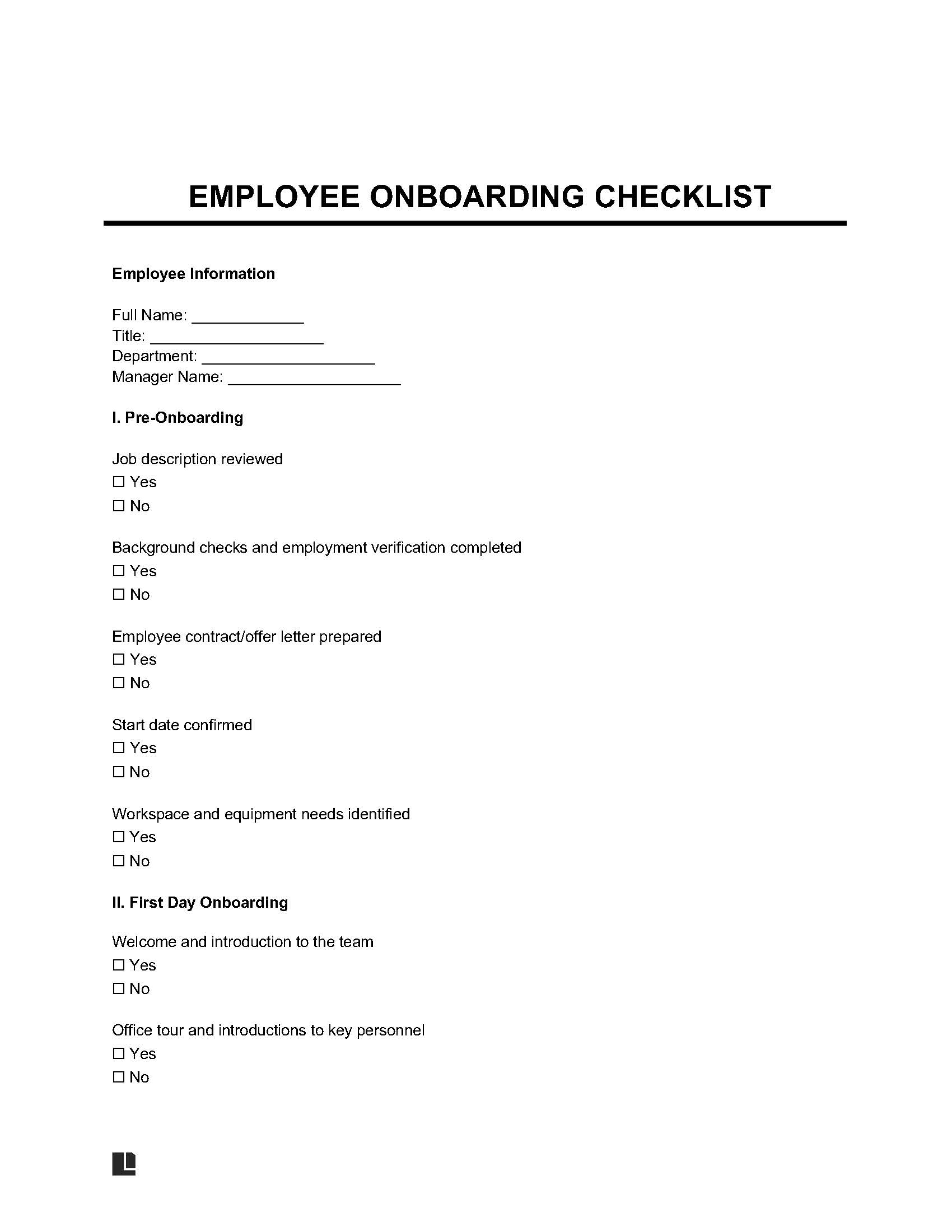
Sample Onboarding Checklist
View our sample of a new employee onboarding checklist so you can see what tasks you may want to include on yours. Then, create yours using Legal Templates’s guided questionnaire and download a free employee onboarding template in Word or PDF format.