What Is a Public Relations (PR) Contract?
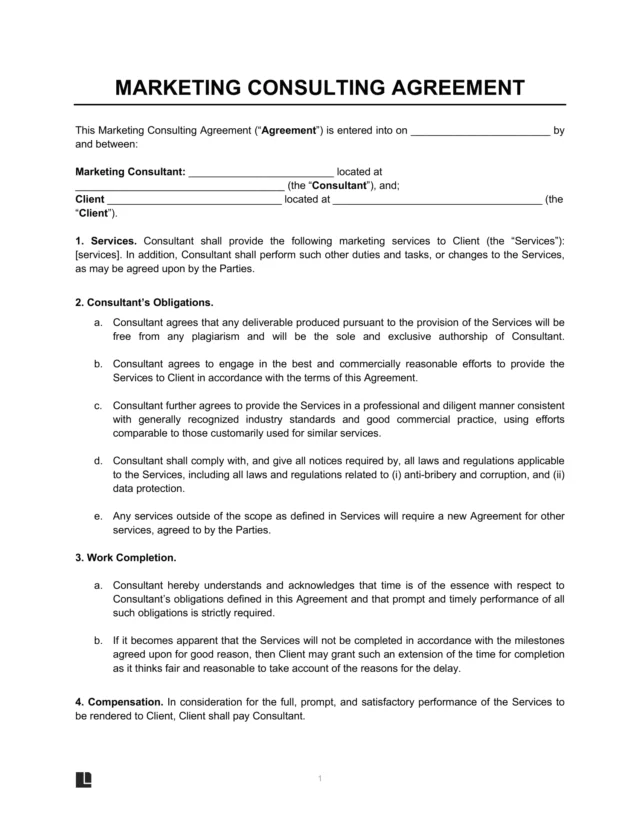
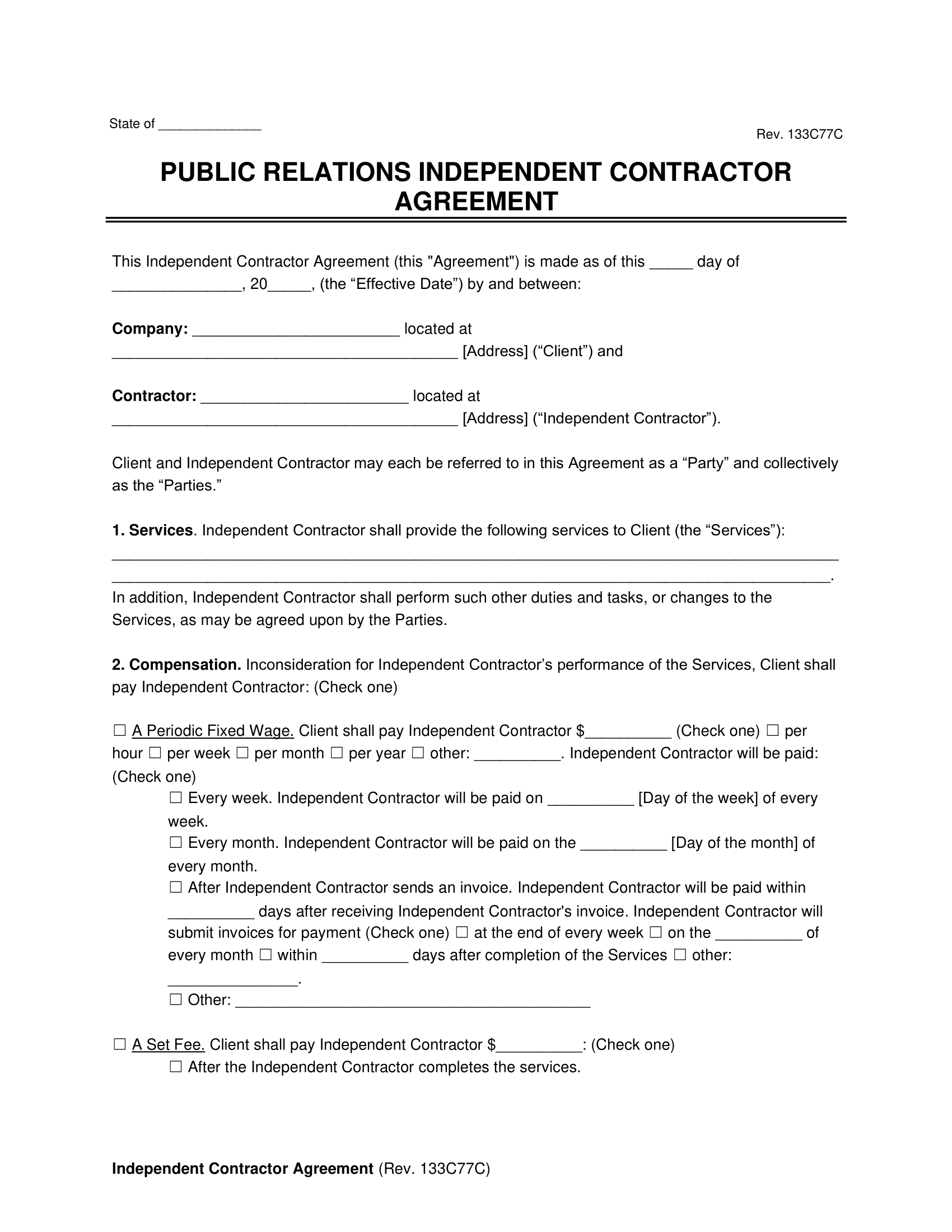
A public relations (PR) contract defines the relationship between a company and an independent contractor or firm providing PR services. It outlines the scope of work to help align the parties’ expectations.
The services noted in a PR contract vary based on the company’s goals. For example, a PR specialist or consultant may handle tasks like drafting press releases or conducting community outreach.
This agreement also records key terms, including timelines, compensation, and confidentiality. Overall, a PR contract establishes accountability and clarifies responsibilities.
By signing this contract, a company can take steps to protect or improve its public image. Businesses often choose to outsource PR work when they lack the internal resources or expertise to manage it in-house.
What to Include in a Public Relations (PR) Services Agreement
A public relations (PR) services agreement helps you establish the scope of work for a PR specialist to manage your company’s reputation. Create a comprehensive PR services agreement by including the following elements:
1. Scope of Work
The scope of work in a PR services agreement can vary depending on your company’s current state and future goals. You may have the PR specialist or consultant manage a specific crisis, such as one of the following instances:
- A brand releasing a tactless advertisement that was negatively received by the public
- A product recall resulting from a manufacturing defect or quality issue
- Public backlash caused by a CEO’s inappropriate social media posts that alienated part of the target audience
Or, maybe everything is going well with your company’s image, but you want to maintain or improve it. Here are some services that a PR contract can assign responsibility for:
- Social media management
- Launching a new product
- Lobbying
- Event planning and promotion
- Speaking in interviews or at press conferences
- General advising
- Materials creation (like press releases)
- Message distribution (connecting with news outlets and local journalists)
Be sure to note anything that the PR specialist won’t be responsible for to ensure clarity.
2. Deliverables
Use your PR contract to note what deliverables the PR specialist will provide. They may be responsible for delivering a set number of press releases, articles, posts, interviews, or videos per week or month, depending on the company’s objectives and the PR specialist’s bandwidth. You can also include how you’ll track the contractor’s work, outlining metrics such as:
- Social media engagement
- Website traffic
- Media impressions
- Press clippings
3. Compensation
Outline how much the independent contractor will get paid. According to the Bureau of Labor Statistics, public relations specialists earn an average of $33.55 per hour. You can use this as a point of reference for setting a rate, as their pay can vary depending on your industry and their experience level. Note whether the contractor will get paid hourly or receive a set fee upon completion of certain PR services.
If you want to have the PR specialist or consultant on standby, consider implementing a retainer, which grants you access to ongoing, consistent services. Also, include information about reimbursements, as they may need to be compensated for expenses incurred. For example, you may agree to pay them back for traveling to a press conference or paying for a publication on your company’s behalf.
4. Duration & Termination
Specify the length of the relationship between your company and the PR specialist or consultant. Ensure that the term is long enough for them to meet your company’s goals and make a meaningful impact on its reputation.
You can also highlight grounds for terminating the contract. For example, the following events can be reasons to end it:
- Poor quality of work
- A lack of adherence to ethical guidelines when promoting the company’s brand
- Missing deadlines consistently
- Hiring third parties to do the PR work without the company’s explicit permission
If the PR specialist needs to hire subcontractors, they must have the company’s approval and enter into a subcontractor agreement.
5. Independent Contractor Status
Clarify that the PR firm, PR specialist, or PR consultant will work as an independent contractor, not an employee. This distinction emphasizes the project-based scope of their role and limits liability for the hiring company.
6. Additional Provisions
Include additional provisions in your PR contract, such as the following:
- Confidentiality: Emphasize what information, such as marketing strategies or upcoming announcements, the PR specialist or firm should refrain from making public.
- Indemnity: Indemnity clauses determine who is responsible if claims related to defamation or copyright arise.
- Intellectual property (IP) ownership: Clarify that the company retains ownership over any brand materials the PR specialist creates.
Sample PR Contract
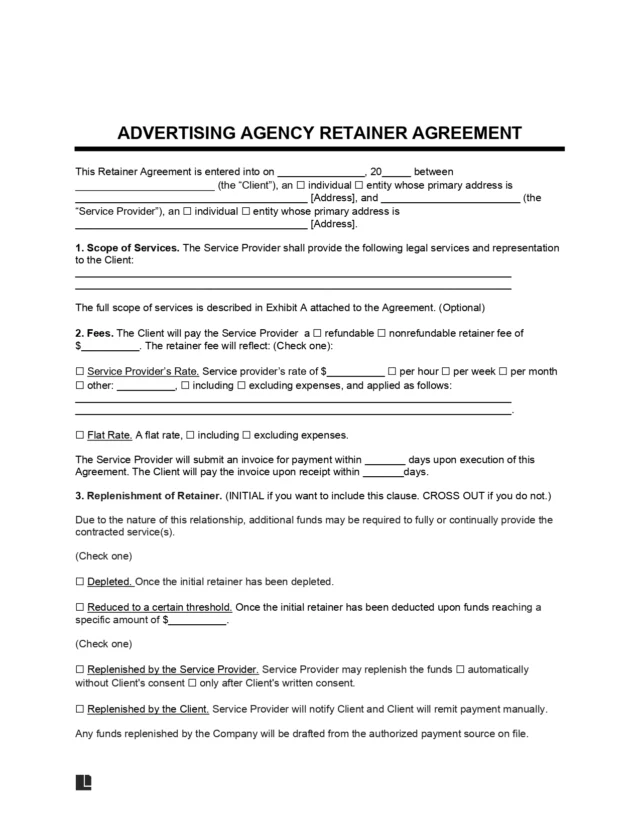
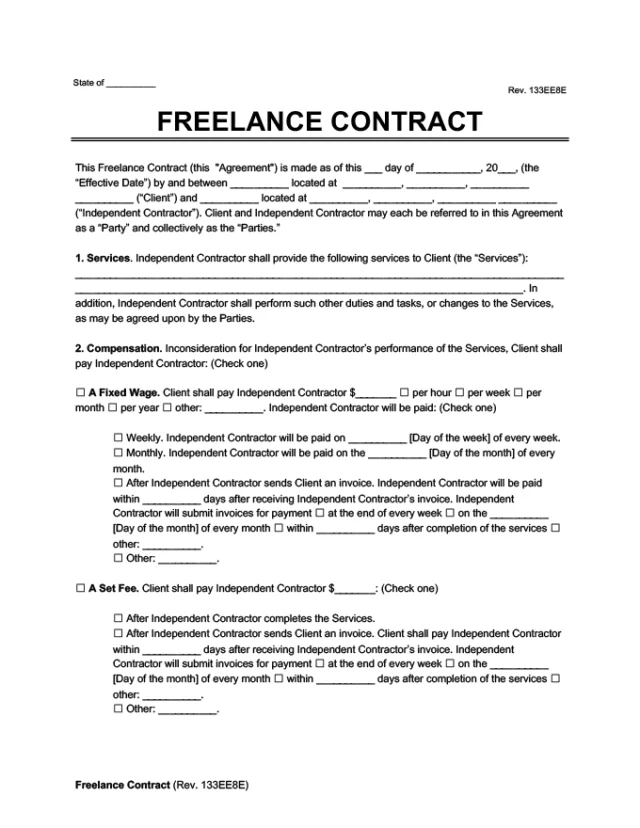
View an example of a PR contract to see how to outline the scope of PR services provided by an independent contractor. Then, use our guided form to create your own with customized terms. Download the final version as a PDF or Word document to keep in your records.