What Is a Do Not Resuscitate (DNR) Form?
A do-not-resuscitate form is a medical order that tells healthcare staff not to perform cardiopulmonary resuscitation (CPR) and defibrillation if your heart or breathing stops.
- A DNR form allows for a natural death while still providing comfort care, such as pain relief, oxygen, and medication.
- Without a DNR form, medical staff must attempt resuscitation even if it goes against your wishes.
Every hospital in the US is required to ask and document whether a patient has a DNR order or an advance directive. You usually discuss it with your doctor and sign it during admission. Once signed, it becomes part of your medical record, ensuring all staff understand and respect your decision.
Some people choose to carry portable DNRs instead of standard DNR papers so their wishes are clear outside a hospital setting. These can include:
- Bracelets or necklaces that alert emergency responders.
- Wallet cards that list your DNR status and key contacts.
Having a DNR in place helps you stay in control of your medical treatment, especially if you live with a serious or terminal condition. It tells medical professionals and family members exactly what you want in an emergency. Legal Templates offers a free do-not-resuscitate form you can download and complete. It’s a simple way to document your wishes and share them with your doctor, family, or care team.
Living Will vs. DNR
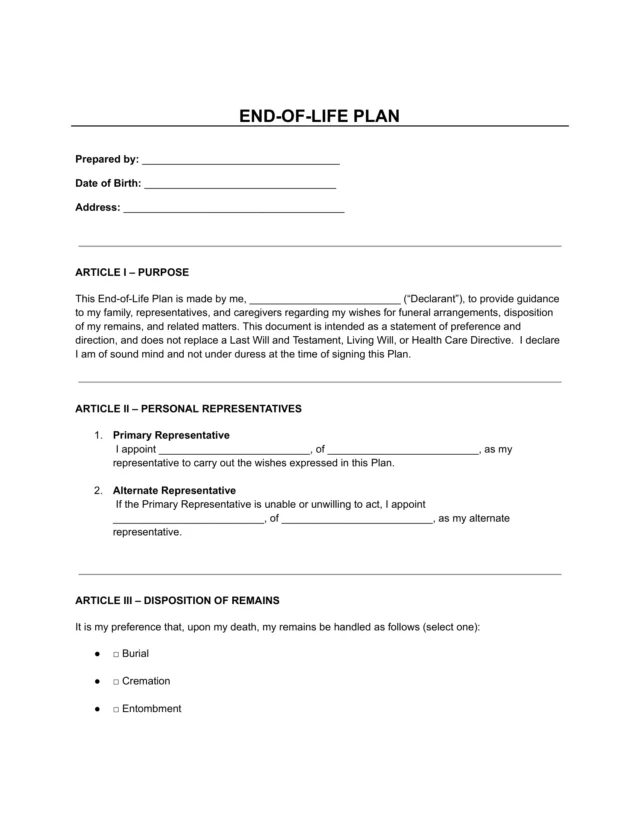
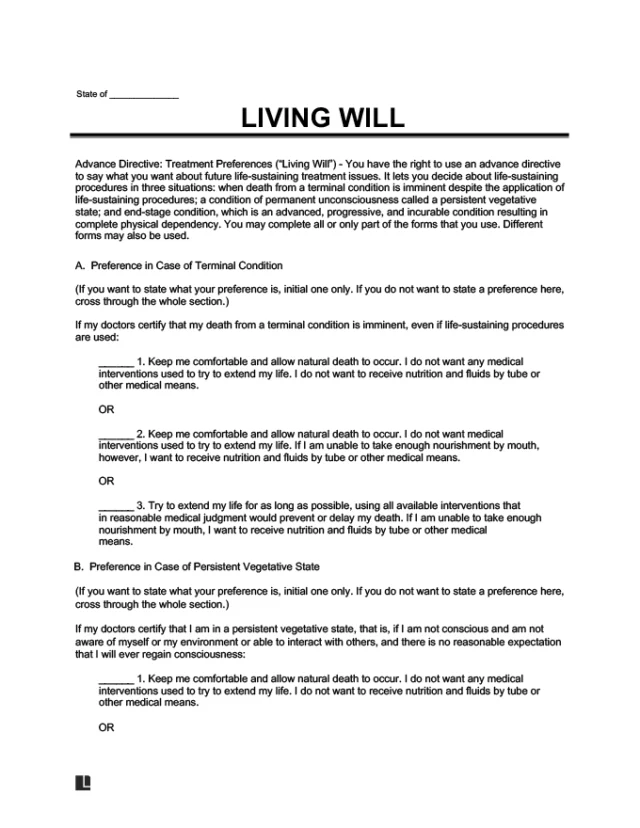
A DNR only applies to CPR and resuscitation. It can also be part of a larger plan, such as a living will, which covers more medical choices, including life support, feeding tubes, organ donation, and comfort care.
When You May Need a DNR Form
A do-not-resuscitate (DNR) form is a personal decision regarding your care in the event of a medical emergency. It’s not only for people facing serious illness. Some choose it to avoid invasive treatments that could affect comfort or quality of life. Others make the decision based on age, health, or faith. The right time depends on your situation, but here are a few moments when it may make sense to consider one.
| Consider a DNR If… | What to Keep in Mind |
|---|---|
| You're living with an underlying medical condition that's terminal or painful | A DNR helps prevent unnecessary suffering. You'll still receive comfort care, including pain relief and medication. |
| You're older, or recovery would be difficult | CPR can be intense and physically hard to recover from. Many seniors choose a DNR to focus on comfort and dignity. |
| Your faith or values guide your medical choices | Most religions are tolerable of DNR orders if resuscitation is futile. Take time to think about how your beliefs shape your end-of-life decisions. |
A DNR is just one part of planning ahead for your health and future. Many people include it when getting their estate plan in order or organizing essential end-of-life documents to keep everything consistent and easy to access.
Make Sure Your Care Team Understands Your DNR
Studies show that medical professionals may interpret DNR orders differently or apply them too broadly. These gaps can affect your life-sustaining treatment.
A Wolters Kluwer report in the American Journal of Nursing found that confusion about DNR orders can lead to uneven medical care. Talk with your care team to make sure everyone understands your wishes.
How Do I Get a DNR Form?
You can get a do-not-resuscitate form from a few places. The most common option is your doctor or hospital, where staff can help you complete the form and make sure it meets state rules. You can also download a printable DNR form from your state’s Department of Health website.
If you prefer to handle it yourself, use a free do-not-resuscitate form from Legal Templates. It’s quick to download, easy to fill out, and ready to print. Before it’s valid, make sure it includes:
- A doctor’s signature confirming your choice
- Witness or notary signatures, if required by your state
Once signed, keep copies in safe, visible places. That could be at home, with your doctor, and with family or caregivers.
How to Write a Do Not Resuscitate Order
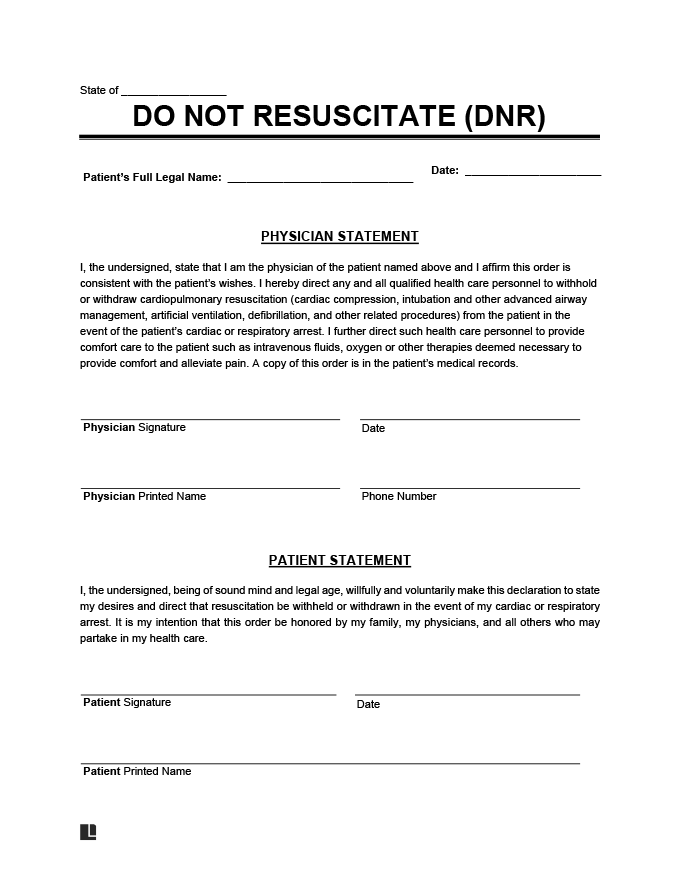
Filling out a do-not-resuscitate order makes it clear that you want to withhold resuscitation if you experience cardiac or respiratory arrest. The process is simple but important to get right. Legal Templates has you fill out a few simple details about your situation, and we include a clear statement about your desire to withhold resuscitation.
Start by entering:
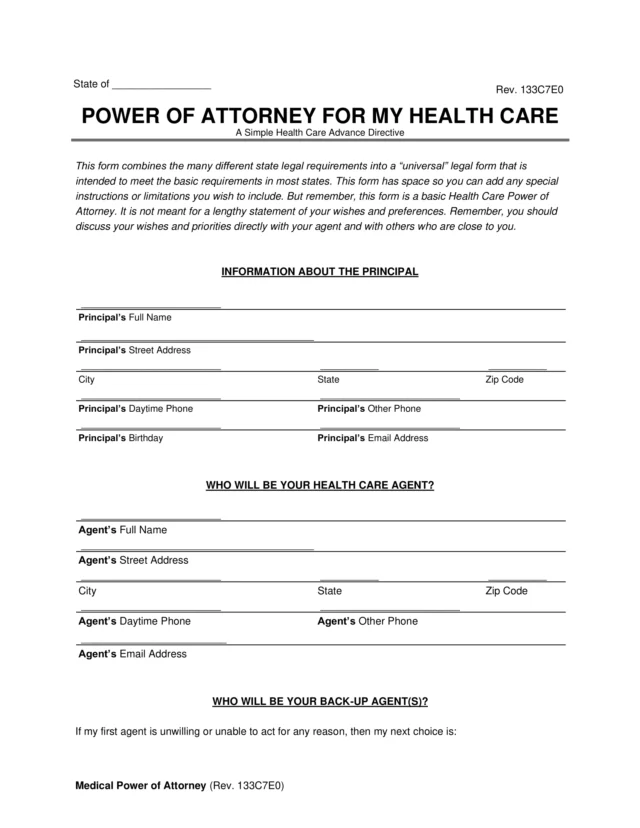
- Your full legal name and any details about a legal representative, if you will assign a legal decision maker, such as your medical power of attorney.
Then add:
- Your doctor’s name and contact information so medical staff can confirm the order if needed.
Finish by including:
- Your state, the date, and all required signatures, such as your doctor’s and any witnesses or a notary.
Once everything’s signed, your DNR form becomes official and part of your medical records, ensuring your wishes are always respected.
How to Revoke a DNR
You can change or cancel a DNR order anytime, even in an emergency. Start by telling your doctor so they can remove it from your medical record. Some states may ask for a short written request.
Then, take these steps to make sure no one follows outdated instructions for issuing emergency medical services:
- Shred or throw away printed DNR forms
- Remove DNR bracelets or necklaces
- Update your advance directive or medical power of attorney
Finally, let your family, caregivers, and healthcare providers know about the change. Sharing your updated documents makes sure everyone follows your current wishes.
Laws and Signing Requirements by State
A DNR must usually be signed by a doctor in the same state where it will be used. If you move to another state, you’ll need a new DNR signed by a local physician to keep it valid. Because each state has its own rules, the table below outlines the signing and witness requirements where you live.
| State | Who Needs to Sign? | Legal Code |
|---|---|---|
| Alabama | Patient and Physician | AL Code § 420-5-19-.02 |
| Alaska | Patient and either a Witness, Notary Public, or Physician | AK Stat 13.52.150 |
| Arizona | Patient, Physician, and Witness | AZ Rev Stat § 36-3251 |
| Arkansas | Patient and either a Notary Public or 2 Witnesses | AR Code § 20-13-901 |
| California | Patient and Primary Physician | CA Prob Code § 4780 |
Sample DNR Form
You can view a sample DNR form to see what details it includes before filling out your own. Each printable DNR form shows where to add your information, doctor’s details, and signatures. Once you’re ready, download the DNR form in PDF or Word format and complete it according to your state’s rules.