What Is a Connecticut Vehicle Bill of Sale
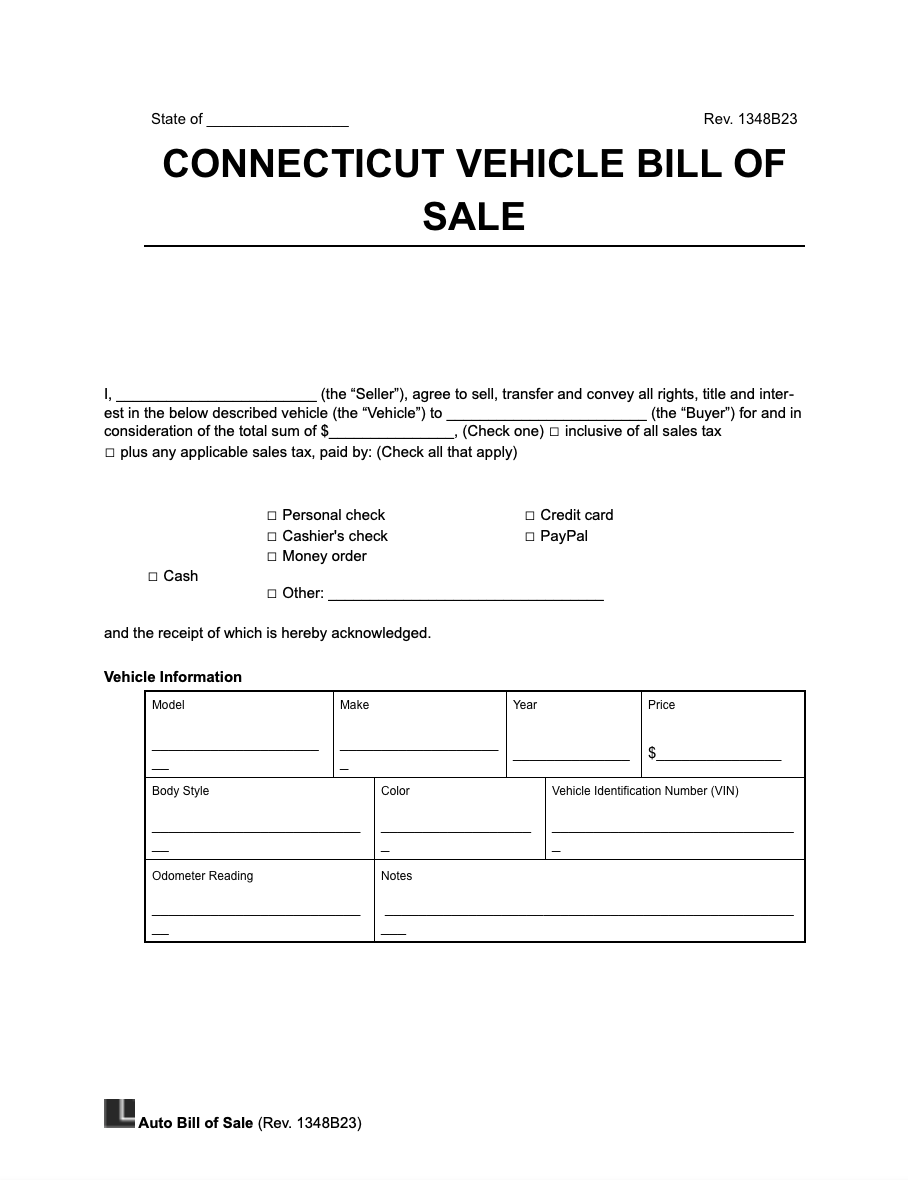
A Connecticut vehicle bill of sale (Form H-31) is a legal document that confirms that a vehicle was sold. It includes the buyer’s and seller’s names, the sale price, and the date of the sale. It also lists the vehicle’s make, model, and VIN (Vehicle Identification Number).
The Connecticut Department of Motor Vehicles (DMV)uses this form as proof that the vehicle ownership has changed. You can make a free, DMV-compliant Connecticut vehicle bill of sale using Legal Templates’s easy step-by-step questionnaire.
In Connecticut, a vehicle that is more than 20 model years old is exempt from requiring a title. If you’re selling or registering an older car, the DMV may accept a bill of sale, the most recent registration, and a completed Supplemental Assignment of Ownership (Form Q-1) as proof of ownership (Connecticut General Statutes § 14-166(b)).
When Do You Need a Motor Vehicle Bill of Sale in Connecticut?
You may need to use a Connecticut motor vehicle bill of sale in the following situations:
- Selling or buying a used car in a private sale
- Gifting a vehicle to a friend or family member
- Registering a vehicle without a title, especially for older cars, where the DMV requires proof of ownership
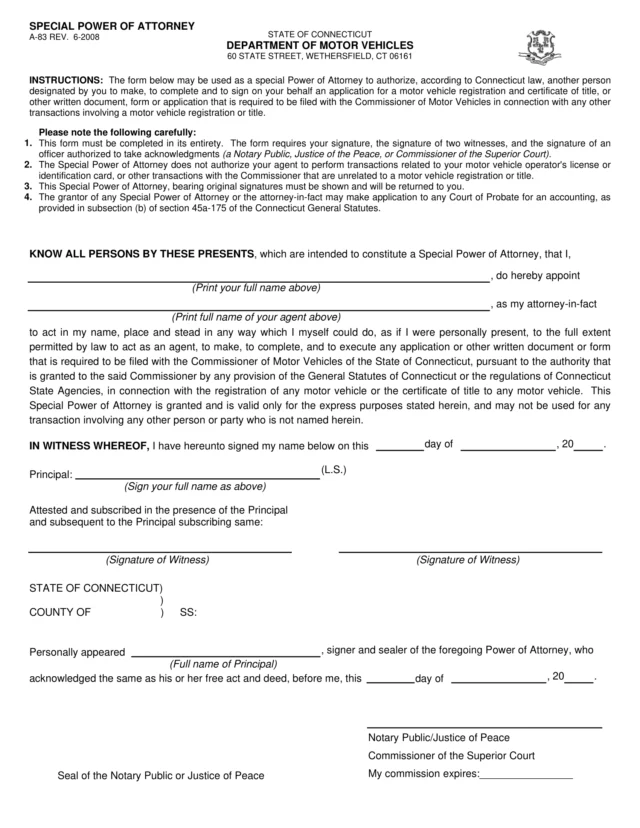
- Transferring a title, if requested by the Connecticut Department of Motor Vehicles (DMV)
Even when not required, a car bill of sale for Connecticut can help prevent future disputes by creating a written record of the transfer. It protects the seller by proving they no longer own the vehicle and aren’t responsible for tickets, taxes, or accidents after the sale is finalized. For the buyer, a vehicle bill of sale clearly shows that they paid for the vehicle and now legally own it.
In Connecticut, you do not have to pay sales tax when giving a vehicle to an immediate family member. To qualify, you must complete the Motor Vehicle or Vessel Gift Declaration (Form AU-463) and submit it during the title transfer at the DMV.
Does a Motor Vehicle Bill of Sale Need to Be Notarized in Connecticut?
No, Connecticut does not require a motor vehicle bill of sale to be notarized. However, notarization adds an extra layer of legal protection. It helps confirm that both parties signed the document willingly and agreed to the details of the sale. There are some situations where Connecticut DMV may request a notarized bill of sale, such as:
- A title with errors or missing information
- Disputes about who owns the vehicle
- Older vehicles with no clear title history
If you choose to notarize your vehicle bill of sale, you can use a free Connecticut notary acknowledgment form to do it properly.
Sample Connecticut Vehicle Bill of Sale
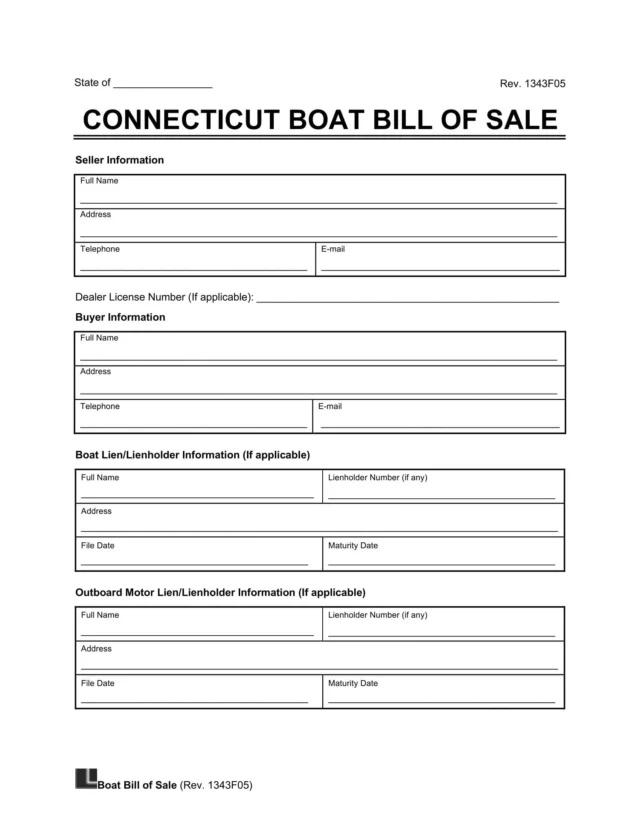
View a sample Connecticut vehicle bill of sale template to see how to document your car sale properly. Complete our step-by-step questionnaire to create a personalized, DMV-compliant motor vehicle bill of sale and download it in PDF or Word format.