What Is a New York State Eviction Notice?
A New York state eviction notice helps a landlord evict a tenant for noncompliance (curable or incurable) or nonpayment. This form can also be used to remove squatters or terminate a periodic lease.
When you use a New York eviction notice form, you can ensure you follow state-established processes. It can prevent unlawful evictions by defining a reason and ensuring that you don’t resort to self-help measures.
In New York, tenants have protection from unjustified evictions in some cases. The Good Cause Eviction Law prevents landlords from evicting tenants without a valid reason, such as nonpayment of rent, lease noncompliance, or illegal activity. You can use a New York eviction notice template to stay in compliance with the Good Cause Eviction Law.
Note that this law does not apply if any of the following conditions are true:
- The landlord owns 10 or fewer units in New York.
- The building was constructed after January 1, 2009.
- The tenant lives in an owner-occupied building with 10 or fewer units.
- The rent paid is considered “high rent.”
The Good Cause Eviction Law (Article 6-A of the Real Property Law), which came into effect on April 20, 2024, automatically applies to New York City. Other cities and villages can choose to opt in. As of June 2026, the following cities and villages have opted in:
- Albany
- Beacon
- Binghamton
- Catskill
- Croton-on-Hudson
- Fishkill
- Hudson
- Ithaca
- Kingston
- Newburgh
- New Paltz
- Nyack
- Poughkeepsie
- Rochester
Types of Eviction Notices in New York State
Depending on your situation and reason for evicting a tenant, you can send a specific New York eviction notice. Here are the various New York eviction notice forms that reflect the different notice periods and reasons.
14-Day Eviction Notice in New York State (Nonpayment of Rent)
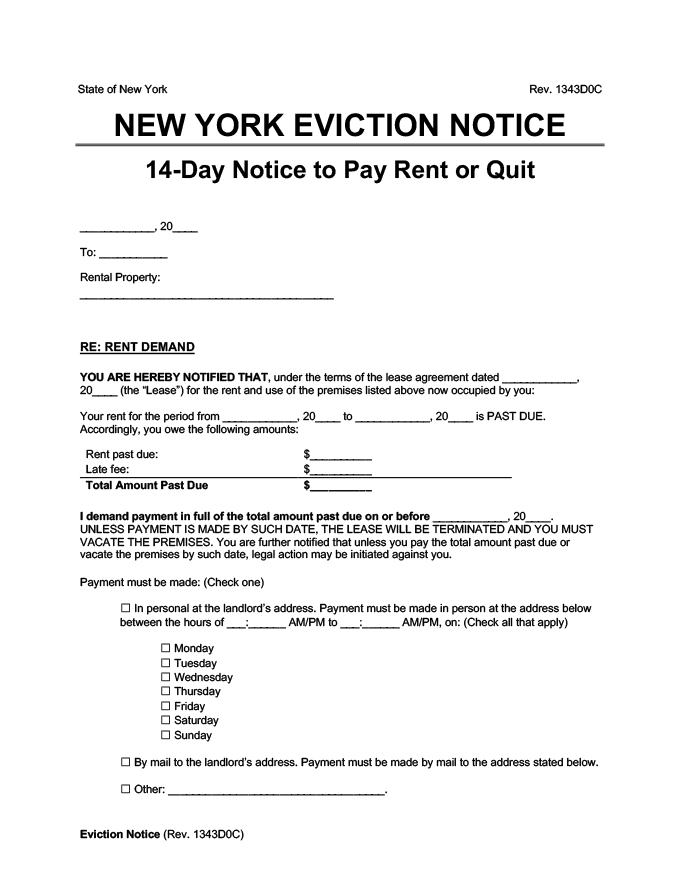
A 14-day notice to pay rent or quit in New York gives tenants who are behind on paying rent 14 days to make up the payment or move out (NY Real Prop Actions L § 711). However, before you send a 14-day notice to vacate in New York state, you must wait until five days past the rent due date to send a pay rent or quit notice. This grace period is allowed under NY Real Prop L § 238-A.
14-Day Notice to Pay Rent or Quit
Evict a tenant if they haven’t paid rent on time.
10-Day Eviction Notice in New York State (Lease Noncompliance)
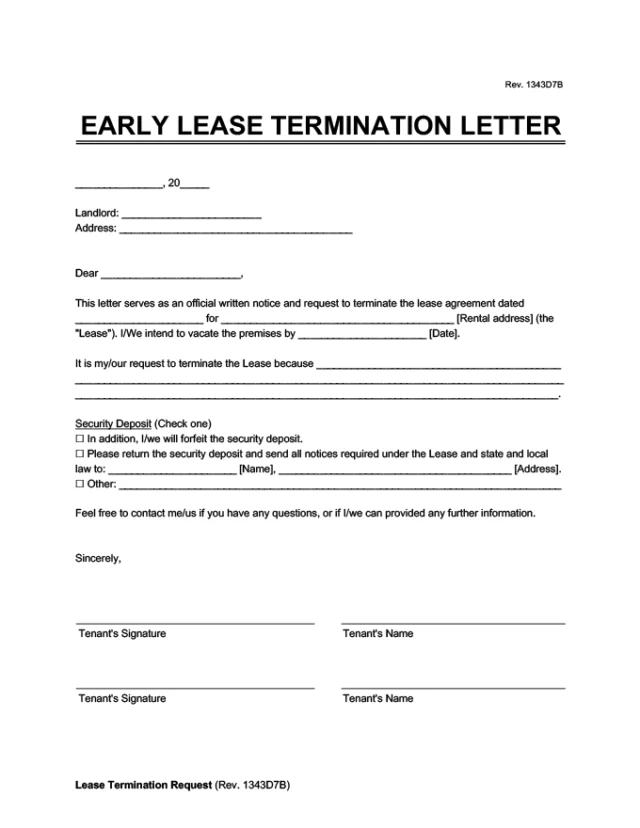
A 10-day eviction notice for New York state can be used to alert the tenant of noncompliance with the lease agreement (NY Real Prop Actions L § 753). This “notice to cure” communicates a curable breach, meaning that the tenant can correct the action within 10 days and remain on the property. A curable breach may include a noise disturbance, an unauthorized appliance, or an unauthorized pet.
If 10 days pass and the tenant does not comply, you cannot skip right to filing an eviction lawsuit. This 10-day notice only serves as the predicate notice. After the 10 days pass, you must send a lease termination notice, whether it be 30, 60, or 90 days.

10-Day Notice to Quit for Non-Compliance
Begin evicting a tenant if they’ve broken the terms of your lease with this preliminary notice.
10-Day Eviction Notice in New York State (Squatting)
Use a 10-day eviction notice for squatting to alert an unauthorized occupant, such as a squatter or licensee (a tenant’s guest who stays without the landlord’s consent), about their unlawful stay on the property.
This notice warns that remaining on the property after the specified date may result in court proceedings in a holdover case. The eviction process, including legal action, can commence only after at least 10 days from the issuance of the notice, per NY Real Prop Actions L § 713.
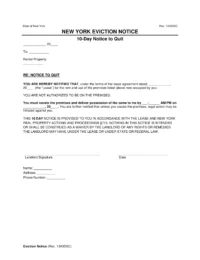
10-Day Notice to Quit for Squatting
Evict someone who's squatting on your property.
Terminating a Lease in New York State
If the tenant has occupied the unit for the following periods, you must issue the appropriate notice:
- Less than one year: 30-day notice to end a periodic lease (NY Real Prop L § 226-C(2)(b)).
- At least one year and up to two years: 60-day lease termination notice (NY Real Prop L § 226-C(2)(c)).
- More than two years: 90-day lease termination notice (NY Real Prop L § 226-C(2)(d)).
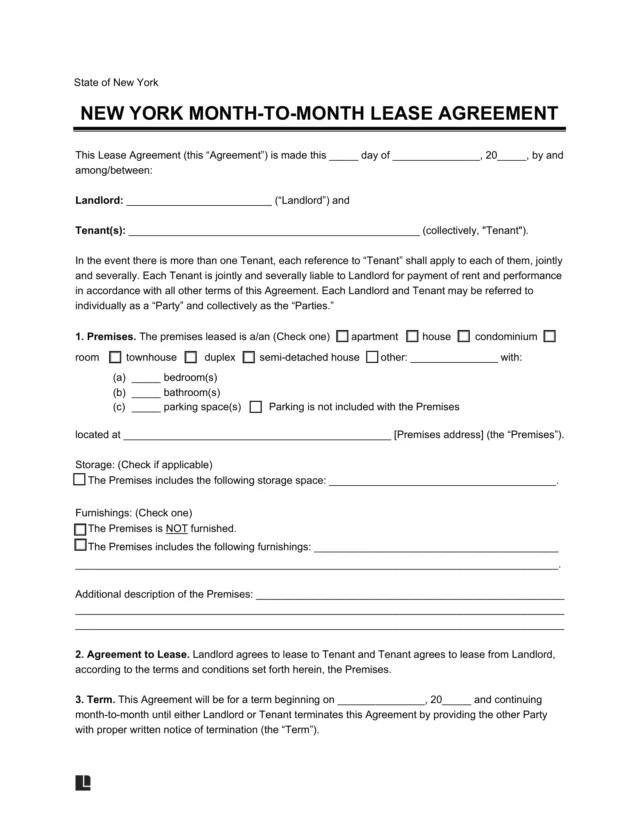
If the building and landlord are covered by the New York Good Cause Eviction Law, you must provide a legally sound reason. Otherwise, no specific reason is required to terminate a monthly lease, provided the proper notice period is observed.
When terminating any lease, you must attach a Good Cause Eviction Law Notice (RPL 231-c).
How to Evict a Tenant in New York State
In New York, evictions are governed by Article 7, Real Property Actions & Proceedings of the Consolidated Laws of New York. Follow the steps below to properly evict a tenant from your property.
Step 1 – Provide Notice
Begin by issuing adequate notice as the landlord. The amount of notice required in your New York eviction notice depends on your reason for eviction:
- 10 days for lease noncompliance
- 14 days for nonpayment of rent
- 10 days for squatting
- 30, 60, or 90 days for lease termination
No matter what type of eviction notice you send in New York, you must almost always pair it with a Good Cause Eviction Notice.

New York Good Cause Eviction Notice
The NYS Good Cause Eviction Notice helps you communicate whether the unit is subject to or exempt from the NYS Good Cause Eviction Law. If applicable, it also details the basis for the exemption and the reason for the eviction or nonrenewal.
Also, understand what kind of eviction proceeding you’re pursuing:
- Nonpayment proceeding: Used when the tenant has not paid their monthly rent.
- Holdover proceeding: Used when the lease has expired, the tenant is month-to-month, or the tenant has violated lease terms beyond just owing rent.
For Cases Outside New York City
Have the documents from the Landlord Holdover Forms Packet on hand to get ready for a holdover case. Alternatively, you can download the Nonpayment Forms Packet for a nonpayment case.
Step 2 – File a Landlord-Tenant Proceeding
If there is no compliance with or response to the original landlord-issued notice, you can file a lawsuit against the tenant. If you live in New York City, you can use the NYC Housing Court to file. Otherwise, you must file with your town’s or village’s housing court.
Upon filing, you will pay a commencement fee to start the summary proceeding and explain whether the unit is subject to the Good Cause Eviction Law.
Once the court grants your case a court date, you must have a third party serve the tenant with a Notice of Petition and a Petition 10 to 17 days before the court date. The third-party server must comply with the service requirements outlined in NY Real Prop Actions L § 735.
The server can use the following documents, depending on the type of summary proceeding:
- Notice of Petition (for holdover proceeding)
- Petition (for holdover proceeding)
- Notice of Petition (for nonpayment proceeding)
- Petition (for nonpayment proceeding)
Depending on the service method used, the server can prove the proper delivery of the petitions with one of the following documents:
Step 3 – Wait for the Tenant to Provide an Answer
Once the petitions are served, the tenant has time to respond. For a nonpayment proceeding, a tenant has 10 days to respond using the Answer for a Nonpayment Proceeding. If the case is about noncompliance, the tenant provides their Answer for a Holdover Eviction at the first hearing. In their answers, tenants can deny the general claims made against them or specific allegations.
Right to Adjourn
Tenants have a statutory right to ask for an “adjournment.” This is a 14-day delay on their first court appearance to find a lawyer.
Step 4 – Attend the Court Hearing
Attend the court hearing, where both parties will present their evidence. If the tenant does not appear in court, you can seek a default judgment against them.
Step 5 – Await a Judgment and a Warrant for Eviction
The judge uses the evidence presented to deliver a judgment. In a holdover case, they will deliver a Holdover Judgment and a Warrant of Eviction. The judgment and warrant forms for nonpayment cases are found within the Nonpayment Forms Packet.
Even when a judge grants a warrant, you cannot remove the tenant yourself. You must deliver the warrant to a city marshal or sheriff. They will execute the warrant, at which point the tenant has 14 days to leave the property. If the tenant refuses to leave within this 14-day period, the city marshal or sheriff can forcibly remove them.
New York Eviction Notice Sample
View an example of our New York eviction notice template to see how to communicate to a tenant that they need to pay rent within 14 days or move out. Then, create your own with custom details using Legal Templates’s guided form. The final form will be ready to download in PDF or Word format, which you can print out and deliver to your tenant as the first step in the NY eviction process.