What Is a Connecticut LLC Operating Agreement?
A Connecticut LLC operating agreement is an internal legal document that sets out the rules for how your business will operate behind the scenes. Connecticut recognizes this document under the Connecticut Uniform Limited Liability Company Act (CULLCA).
It outlines key details like:
- Who owns the business, and how much each person owns
- What each member is responsible for
- Whether the LLC is single-member or multi-member
- How major decisions are made
- What happens if you want to add or remove members
An operating agreement is different from the document used to officially form your limited liability company. To register your LLC with the state, you’ll need to file a certificate of organization. If you’re forming a corporation instead of an LLC, you’ll need a Connecticut corporate bylaws template instead.
Is an Operating Agreement Required for an LLC in Connecticut?
No, Connecticut does not require LLCs to have an operating agreement. However, under CT Gen Stat § 34-243d, if your agreement does not address certain issues, Connecticut’s default laws will apply instead. These rules may differ from how you want your business to operate. An operating agreement also provides the following benefits:
- Reinforces your company’s limited liability status
- Helps you qualify to open a business bank account
- Improves your chances of getting approved for a loan
- Reduces internal conflict
Connecticut LLC Operating Agreement Requirements
In Connecticut, you have considerable flexibility in drafting this document, but state laws still set limits and default rules. These rules apply if your agreement does not cover certain topics or if it conflicts with state law.
Here are the key requirements to be aware of:
- Document Limitation: Your agreement cannot override certain legal duties, such as good faith and fair dealing (CT Gen Stat § 34-243d).
- Default Management Structure: Under CT Gen Stat § 34-255f, an LLC is member-managed in Connecticut by default. You can choose a different structure in your agreement if you prefer.
- Member Decision-Making Authority: Members generally have equal rights in managing the business. Moreover, decisions are often made by majority vote (CT Gen Stat § 34-255f).
- Fiduciary Duties: All LLC members and managers must fulfill their fiduciary duties, including acting in good faith and in the best interests of the LLC (CT Gen Stat § 34-255h).
- Transfer of Membership Interests: As per CT Gen Stat § 34-259a, members may transfer their financial interest, but this does not automatically give the new party management rights unless the members approve.
- Member Withdrawal: Under CT Gen Stat § 34-263, a member can leave the LLC under certain conditions, as defined by law or your operating agreement. This may include resignation, removal, or death.
- Dissolution Rules: An LLC may be dissolved upon the occurrence of the triggering events listed in its agreement (CT Gen Stat § 34-267).
Sample Connecticut LLC Operating Agreement
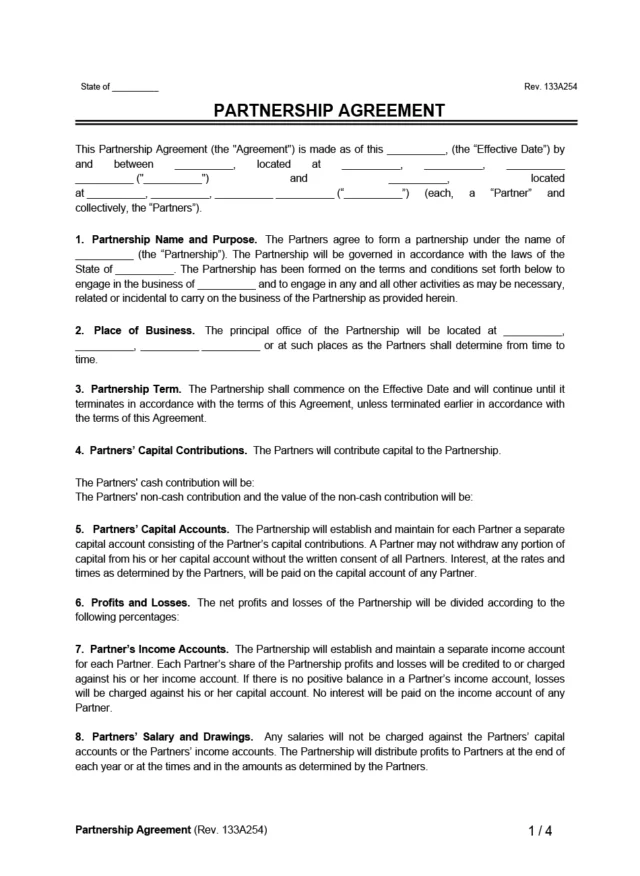
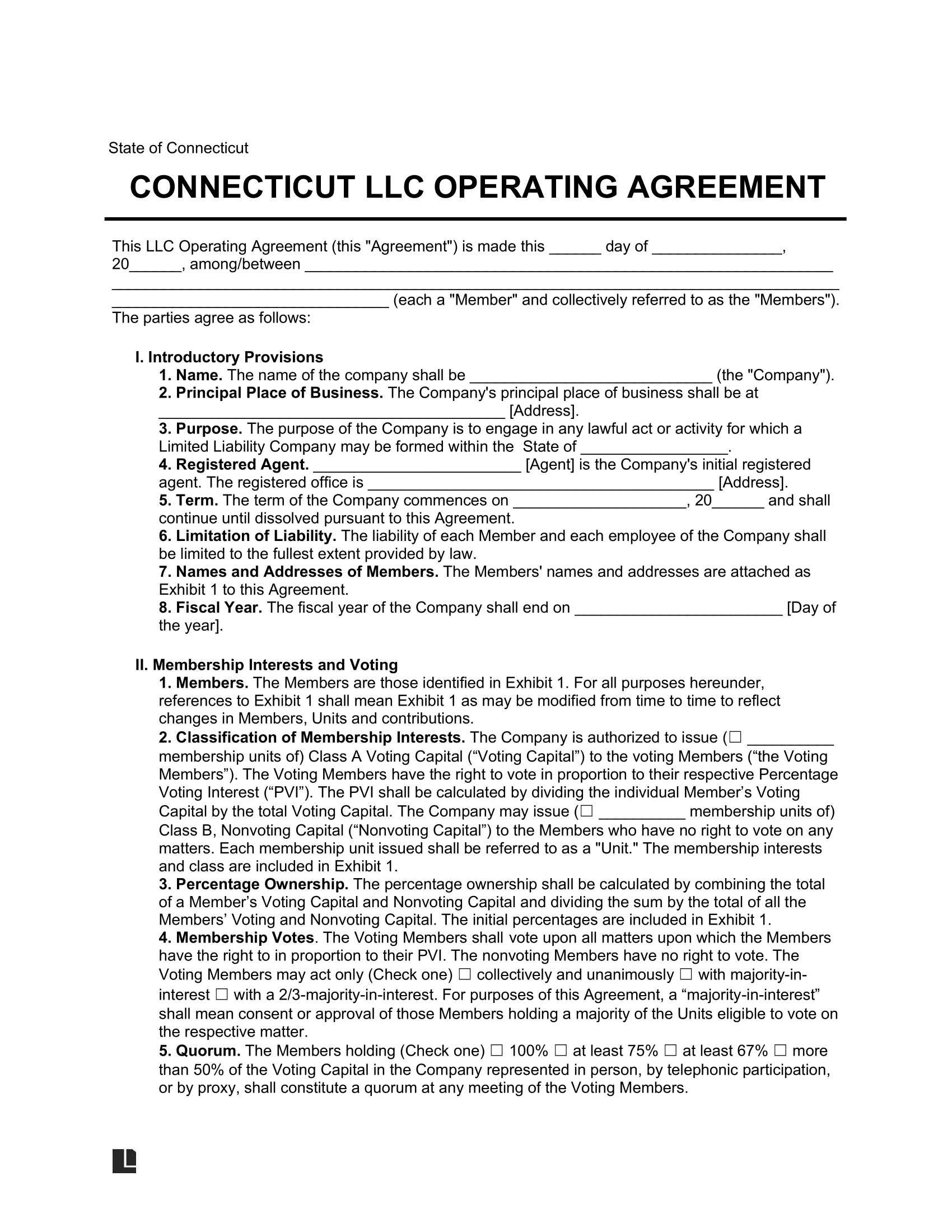
Take a look at the sample Connecticut LLC operating agreement below as a reference. It shows you how you can lay out your LLC’s structure, define member roles, and set rules for your business.
When you’re ready, use Legal Templates’s guided questionnaire to create your own agreement with terms that fit your LLC. You can then download it in PDF or Word format to keep with your business records.