What Is a Joint Venture Agreement?
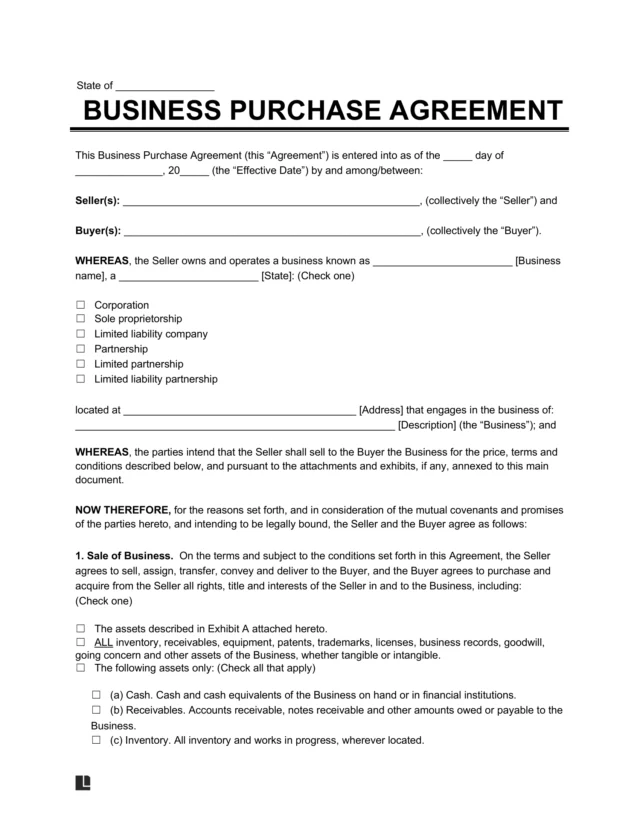
A joint venture agreement is a legal contract that explains how two or more parties work together on a specific business project or goal.
Often called a JV agreement, it sets out the rules for how the parties will collaborate while each one remains a separate business. Rather than merging companies, they agree to share certain resources to reach a common outcome. That can include money, labour, assets, or specialized expertise, depending on what the project needs.
Unlike a partnership, which often covers ongoing operations, a joint venture usually has a clear purpose or endpoint. As a result, a JV agreement explains how profits, losses, and daily responsibilities will be handled. Sometimes the arrangement exists only as a contract. Other times, the parties create a separate legal entity just for the project.
Many joint ventures begin with early discussions about ideas, costs, or plans before a JV agreement is signed. If those talks involve confidential information, an NDA helps protect what’s shared. You can start with our free non-disclosure agreement before formal negotiations begin.
When to Use a Joint Venture Agreement
A joint venture agreement works best when two or more parties want to work together on a specific project, not an ongoing business. It’s commonly used in situations like these:
- A short-term deal or clearly defined project
- Launching something new or testing a market
- One party brings funding, while the other brings expertise or industry access
- Entering a foreign market with support from a local partner
Because a joint venture is built around a specific goal, it typically isn’t permanent. Once the project ends, the arrangement often ends too. Legal Templates can help you put the right agreement in place for that project before work begins. If the plan involves a long-term working relationship, a partnership may be a better fit. You can also review our guide to the pros and cons of a partnership or start with our partnership agreement.
Not everyone is ready to commit to a binding JV agreement right away. If discussions are still exploratory, a memorandum of understanding (MOU) can help outline intentions without locking anyone in.
How Are Profits and Ownership Handled in a Joint Venture?
Profits and ownership in a joint venture depend on what the agreement includes. There’s no automatic split that applies to every arrangement. Instead, the parties decide how profits, losses, and ownership percentages will be handled before the project begins.
Those shares don’t have to be equal. Some joint ventures use a 50/50 split when both sides contribute similar resources. Others use uneven percentages when one party provides more cash, labour, assets, or specialized know-how. The structure usually reflects the value each party brings to the venture.
Ownership often follows that same logic. In some cases, both parties hold equal ownership. In others, ownership is weighted based on funding, effort, or expertise. The agreement should also explain who owns any work, intellectual property, or assets created during the project.
When ownership terms are missing or loosely written, disagreements often appear later. Setting them out clearly at the start helps keep everyone on the same page. To track income and expenses during the project, you can also use our profit and loss statement.
How to Write a Joint Venture Agreement
A joint venture agreement should focus on how the parties will work together for one defined project. These steps help shape the arrangement from the start:
- Identify the joint venturers and confirm how many parties are involved
- Name the joint venture, so it’s clearly referenced throughout the agreement
- List the venture’s address for formal JV notices and legal communication
- Define the joint venture’s purpose, keeping it tied to a specific project or activity
- Limit the scope so the venture does not extend beyond that purpose
- Set how profits and losses will be shared, based on each party’s contribution
- Choose the JV management structure, including who oversees operations
- State who has the authority to act or sign on behalf of the joint venture
- Decide when the joint venture ends, such as project completion or a fixed term
- Define confidentiality obligations, including how long they continue after termination
- Explain how JV disputes will be resolved
- Address transfer rights, including what happens after a merger or sale
- Include any JV-specific operating rules or restrictions
- Set the effective date that officially starts the joint venture
Writing these terms into the agreement early helps keep the joint venture focused on its intended purpose. It explains who makes decisions, how ownership works, and what happens when the project ends.
How to Terminate a Joint Venture Agreement
Most joint ventures end once the project is complete, but termination can also happen by mutual agreement or through an early exit.
Common exit paths include a sale, spinoff, or ownership transfer, with buyouts being one of the most common options. If the exit involves one party taking over the venture, our guide on how to transfer business ownership walks through what that process typically looks like. You can also start with our buy-sell (buyout) agreement when a buyout is part of the plan.
Joint Venture Agreement Examples
Below are examples of what a completed joint venture agreement can look like. These examples show how the template may be used in real-world scenarios.
State of California
JOINT VENTURE AGREEMENT
This Joint Venture Agreement (this “Agreement”) is entered into as of the 15th day of March, 2026 (the “Effective Date”) by and between:
-
- Pacific Development Group LLC, located at 455 Market Street, San Francisco, CA 94105
- West Coast Capital Partners LLC, located at 2100 Sunset Boulevard, Los Angeles, CA 90026
-
- Formation.
The parties have indicated an interest in forming and establishing a joint venture for the exclusive purpose of acquiring, developing, and selling residential real estate property.
- Formation.
The Joint Venture shall do business under the name Bayview Residential JV, and shall have its principal office and place of business at 455 Market Street, San Francisco, CA 94105, or such other place(s) as shall be designated from time to time.
-
- Contributions.
For the purpose of the Joint Venture, the parties shall make capital contributions, in cash or property, in the following amounts or values:
- Contributions.
-
-
Pacific Development Group LLC (Check all that apply)
☑ Cash in the amount of $500,000
☐ Property or other contribution in the value of $________ -
West Coast Capital Partners LLC (Check all that apply)
☑ Cash in the amount of $750,000
☐ Property or other contribution in the value of $________
-
Pacific Development Group LLC (Check all that apply)
If the Joint Venture requires additional funds, the parties shall make additional contributions as mutually agreed upon by the parties.
-
- Ownership.
The parties shall own interest in the Joint Venture in the following percentages:
- Ownership.
-
- Pacific Development Group LLC: 40%
- West Coast Capital Partners LLC: 60%
The next example shows how the agreement might be used for a business or product-based venture.
State of New York
JOINT VENTURE AGREEMENT
This Joint Venture Agreement (this “Agreement”) is entered into as of the 1st day of June, 2026 (the “Effective Date”) by and between:
-
- Northshore Software Inc., located at 88 Madison Avenue, New York, NY 10016
- BrightPath Marketing LLC, located at 320 Broadway, New York, NY 10007
-
- Formation.
The parties have indicated an interest in forming and establishing a joint venture for the exclusive purpose of developing, marketing, and launching a mobile productivity application.
- Formation.
The Joint Venture shall do business under the name TaskFlow JV, and shall have its principal office and place of business at 88 Madison Avenue, New York, NY 10016, or such other place(s) as shall be designated from time to time.
-
- Contributions.
For the purpose of the Joint Venture, the parties shall make capital contributions, in cash or property, in the following amounts or values:
- Contributions.
-
-
Northshore Software Inc. (Check all that apply)
☐ Cash in the amount of $________
☑ Property or other contribution in the value of $300,000
[Software codebase, development services, and technical support] -
BrightPath Marketing LLC (Check all that apply)
☑ Cash in the amount of $200,000
☐ Property or other contribution in the value of $________
-
Northshore Software Inc. (Check all that apply)
If the Joint Venture requires additional funds, the parties shall make additional contributions as mutually agreed upon by the parties.
-
- Ownership.
The parties shall own interest in the Joint Venture in the following percentages:
- Ownership.
-
- Northshore Software Inc.: 55%
- BrightPath Marketing LLC: 45%
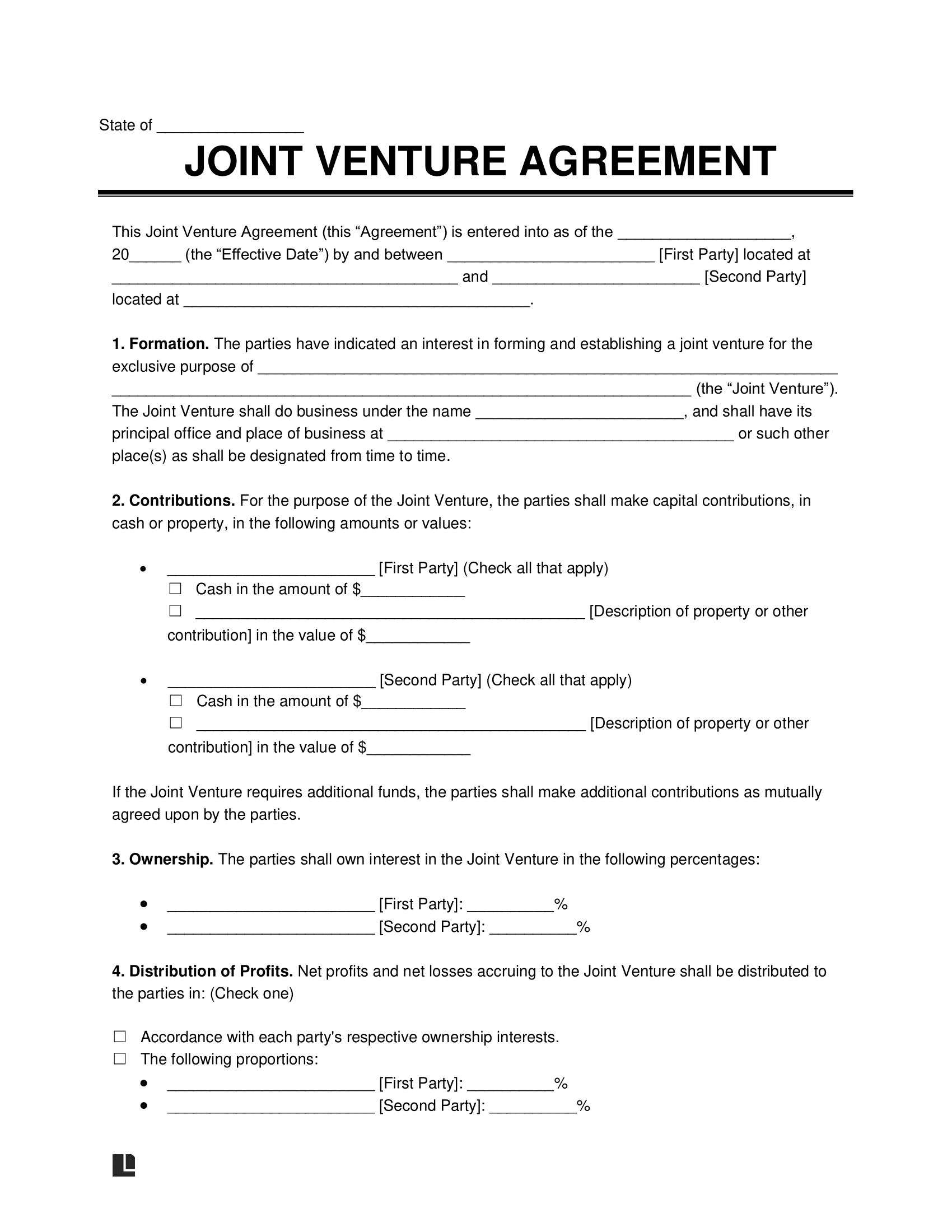
Joint Venture Agreement Sample
Take a look at a joint venture agreement sample below. You can customize it and download the template in Word or PDF.
Common Mistakes to Avoid in a Joint Venture Agreement
When putting a joint venture agreement together, these are some of the most common missteps to watch for:
- Not clearly stating who makes decisions or who can sign on behalf of the venture
- Being vague about contributions, including when they’re due or how their value is calculated
- Overlooking liability risks, especially when the JV doesn’t operate as a separate legal entity
- Missing exclusivity or non-compete limits that can quietly restrict outside work
- Leaving ownership or profit terms open-ended
- Skipping exit terms, which makes it harder to wrap things up when the project ends
- Treating the JV like a partnership, even though the structure and expectations are different
Most problems in joint ventures don’t start with the project itself. They start with gaps in the agreement that only surface once real decisions need to be made.
Do Joint Venture Agreements Need to Be Registered?
In most cases, a joint venture agreement itself doesn’t need to be registered. The agreement usually works as a private contract between the parties, rather than something filed with a government office.
Registration depends on how the joint venture is set up. If the parties create a new legal entity, such as an LLC or corporation, that entity must be registered like any other business. The joint venture agreement then explains how the parties will manage and operate it.
If no separate entity is formed and the venture exists only as a contract, registration is often not required. The agreement still governs how the project runs, but there’s no new business to file with the state. Even in those cases, tax obligations still apply. How income is reported and taxed depends on the venture’s structure and how profits and losses are shared.