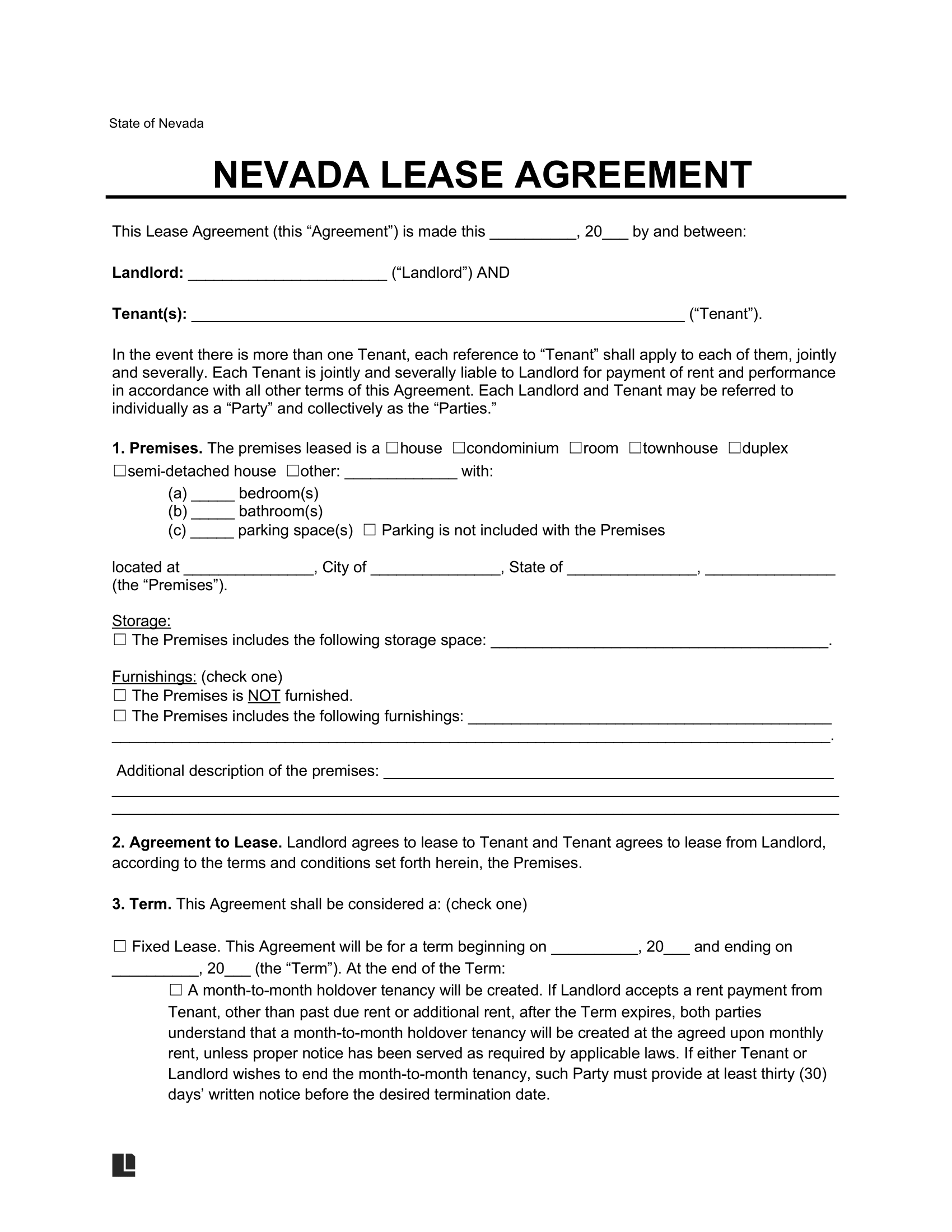
What Is a Nevada Lease Agreement?
A Nevada lease agreement is a written contract between a landlord and their tenant. It includes information about rent payments, deposits, fees, repairs, termination, and more. An effective lease must also meet state requirements to create a binding agreement.
Legal Templates’ free Nevada lease agreements allow you to customize your terms. Use our templates for a compliant lease that meets your needs.
Nevada Landlord-Tenant Law Overview
Nevada’s landlord-tenant laws help protect both parties and establish a basis for the lease agreement. View the table below for a quick overview of the relevant state lease laws.
| Topic | Regulations | Statute |
|---|---|---|
| Rent Control | None | N/A |
| Security Deposit | No more than 3 months' rent | NRS § 118A.242 |
| Late Fees | No more than 5% of the rent. Must be included in the lease agreement | NRS § 118A.210 |
| Grace Periods | At least 3 days after the rent due date | NRS § 118A.210 |
| Landlord Entry | At least 24 hours' advance notice | NRS § 118A.330 |
Nevada Lease Agreements- By Type
Nevada lease agreements can take on many forms. Consider the following lease agreement templates to create a contract that works for your property, purpose, and duration.
Nevada Standard Lease Agreement
The rental amount and payment terms for the residential property are specified in this tenancy agreement between a landlord and a tenant.
Nevada Commercial Lease Agreement
Lets a landlord rent their commercial property to a company for business purposes.
Nevada Rent-to-Own Lease Agreement
Grants a tenant a buy option for a specific period after they lease a property.
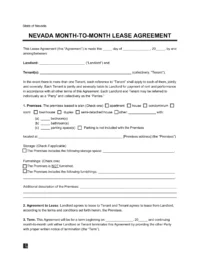
Nevada Month-to-Month Rental Agreement
There is no specified termination date for this agreement, and it automatically renews every month.
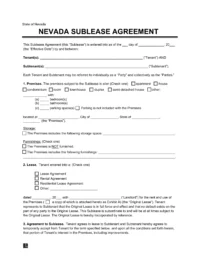
Nevada Sublease Agreement
Generates an additional lease agreement in which the original tenant remains responsible to the original landlord.
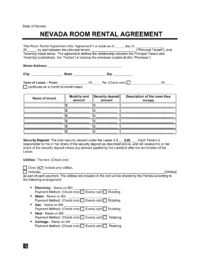
Nevada Room Rental Agreement
Establishes guidelines and responsibilities for room occupants renting within a larger property, regarding space usage and finances.
Rent Payment Regulations in Nevada
Nevada has no rent control laws or limits, allowing landlords to charge whatever amount they deem reasonable. There are also no laws regarding rent increases.
Late fee charges are limited to no more than five percent of the rent, and all fees must be clearly defined in the lease agreement. In addition, landlords must provide a minimum 3-day grace period for late rent before they can charge late fees.
Nevada Security Deposit Laws
Landlords in Nevada cannot collect a security deposit, a surety bond, or a combination of the two that exceeds three months’ rent. This limit ensures the deposit amounts remain reasonable. At the end of the lease term, the landlord must return the deposit, and any deductions must be documented in an itemized list within 30 days. Nevada landlords have the right to deduct funds to cover any unpaid rent or damages beyond normal wear and tear.
Landlord Entry and Repair Rules in Nevada
In a lease, the landlord and tenant typically share responsibility for the repairs and the property’s condition. In Nevada, landlords are required to maintain habitable properties, promptly address issues, and provide essential services such as heat, water, and electricity. Tenants, in turn, must make reasonable efforts to keep the property clean, use fixtures correctly, and avoid damage.
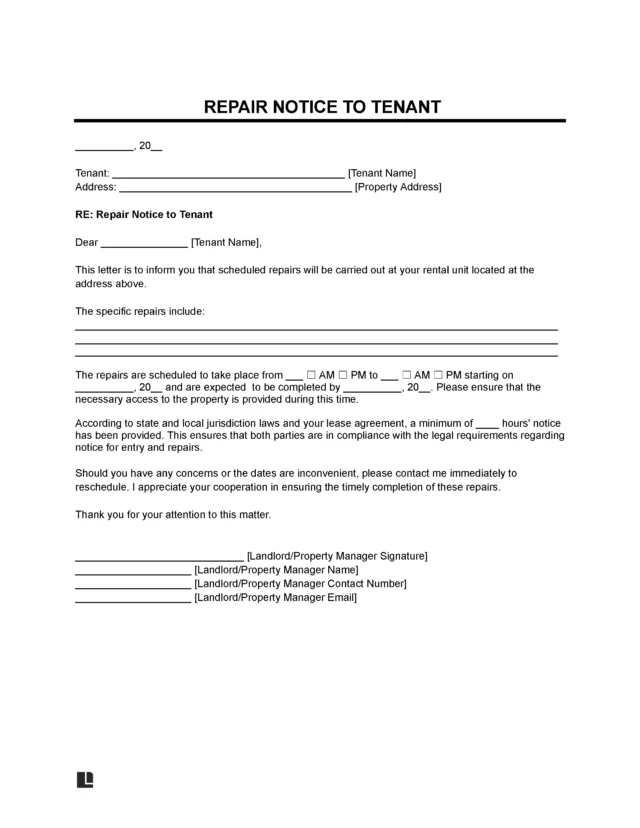
In the event the landlord needs to enter the property, they must provide the tenant with at least 24 hours’ notice. The landlord must also plan to enter at a reasonable time, typically during regular business hours. It’s also noted that tenants should not unreasonably withhold consent for the landlord to enter. Emergency situations also allow for landlord entry without advance notice.
Required Disclosures for Nevada Leases
Disclosure forms increase transparency and help tenants understand the condition of the property, as well as the terms of the lease. In Nevada, landlords must provide copies of the following disclosures:
- Disclosure of Non-Refundable Fees
- Moving Checklist to record any existing damage before a tenant moves in
- Foreclosure Notice if the property has a foreclosure pending.
- USA Flag (Right to Raise)
- Disclosure of Lead-Based Hazards for properties built before 1978.
Terminating a Nevada Lease Agreement
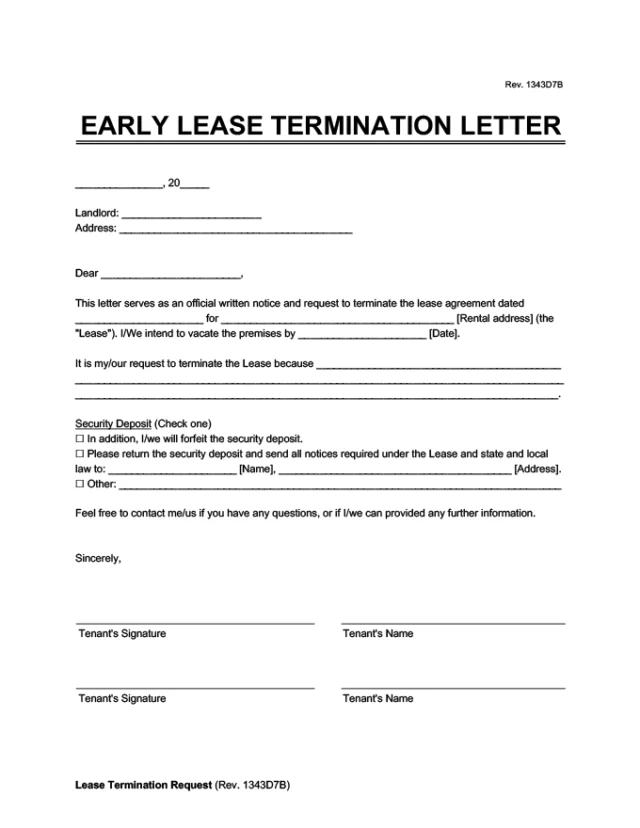
When either party wishes to end the lease, they can follow the termination process outlined in the original lease. In Nevada, both parties can end a month-to-month tenancy by delivering a written notice at least 30 days before the next rent due date.
In situations where a tenant leaves personal property behind after moving out, the landlord is required to notify the tenant in writing and provide them with a reasonable amount of time to claim the items. If the tenant fails to claim the property within 14 days after receiving written notice, the landlord may dispose of it in accordance with state laws.
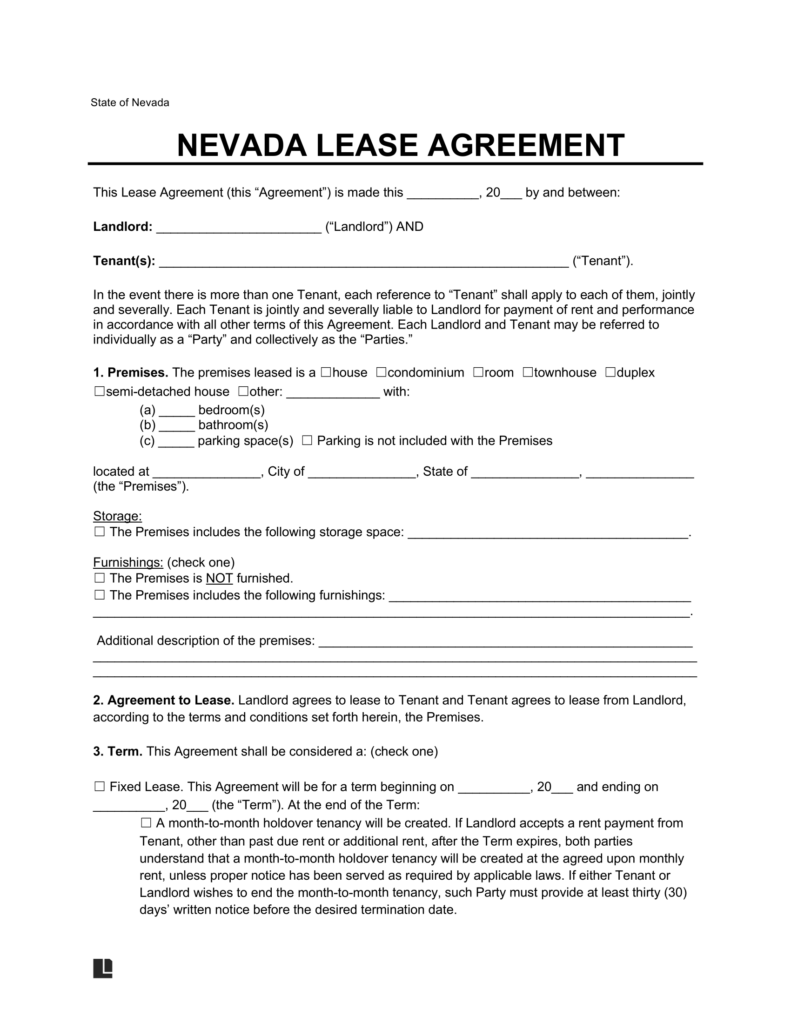
Sample Nevada Lease Agreement
Legal Templates’ free Nevada lease agreement templates include state-specific information for compliance. Use our customizable forms to create your own lease agreement, available in PDF and Word format.