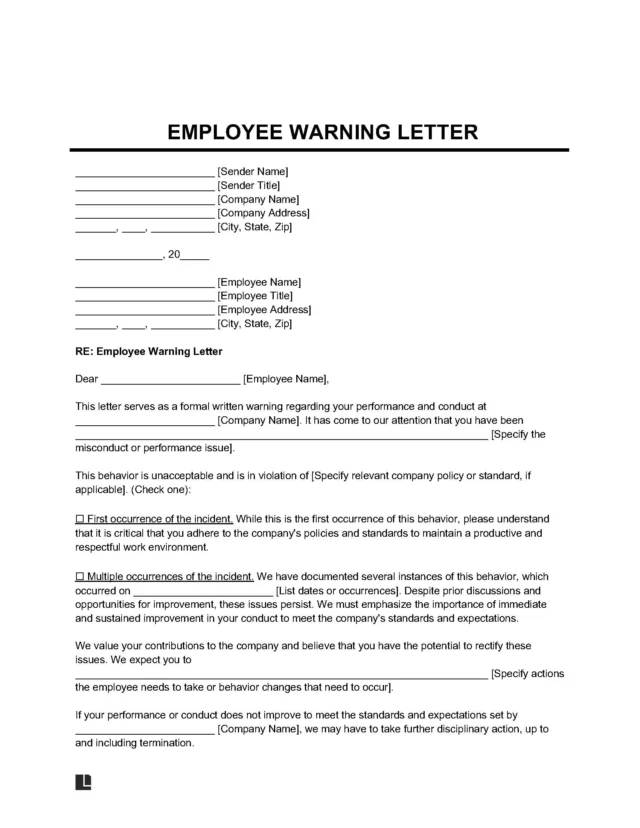
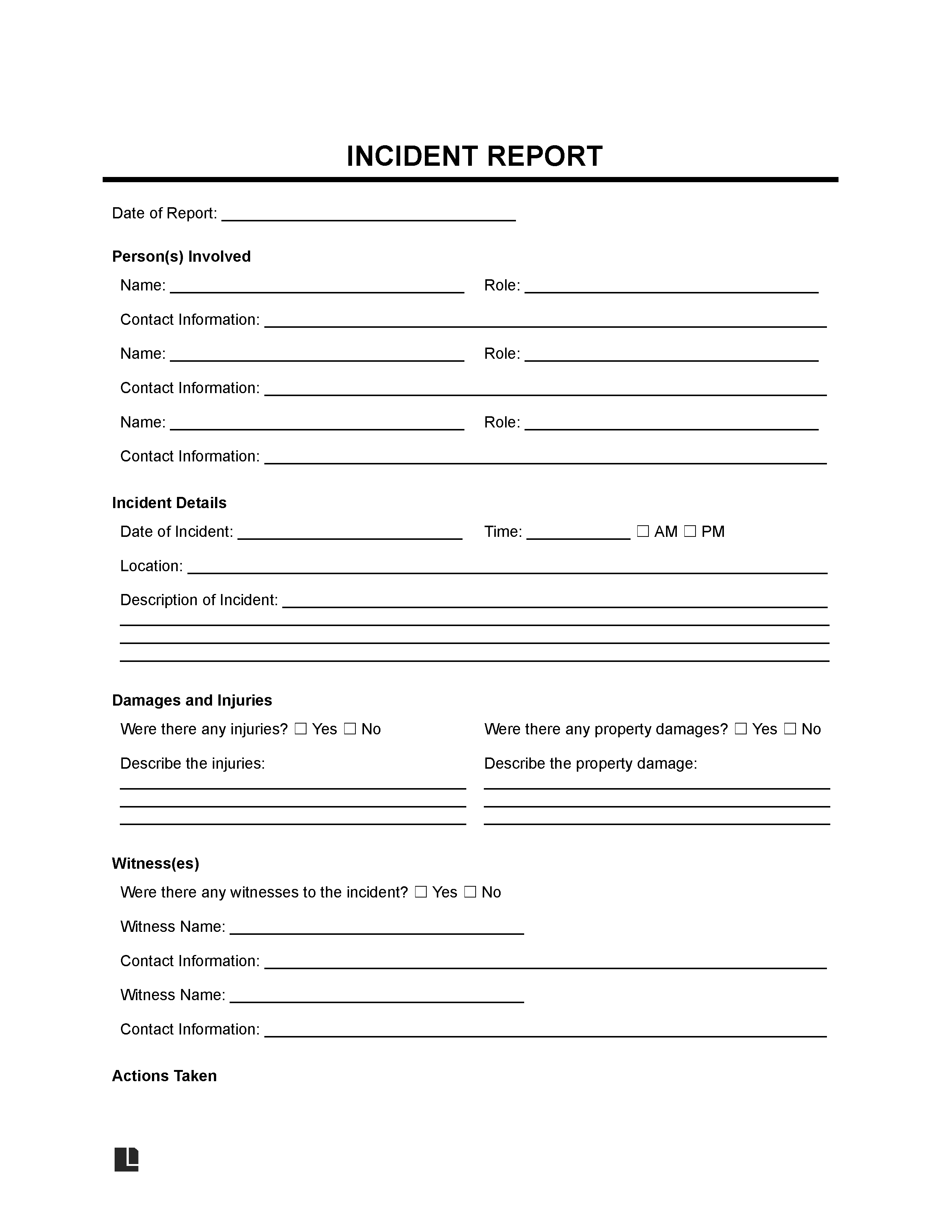
Types of Incident Reports
Different incidents need different kinds of documentation. Choose the incident report template that fits the situation, whether you need a standard incident report form or a more specific option for a workplace issue, near miss, accident, school concern, security event, or another type of incident.
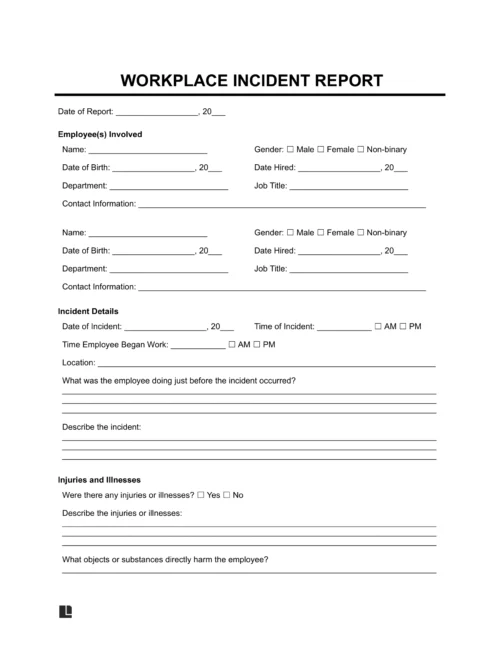

Record an incident involving an employee, including misconduct and behavioral issues
Employee Incident Report
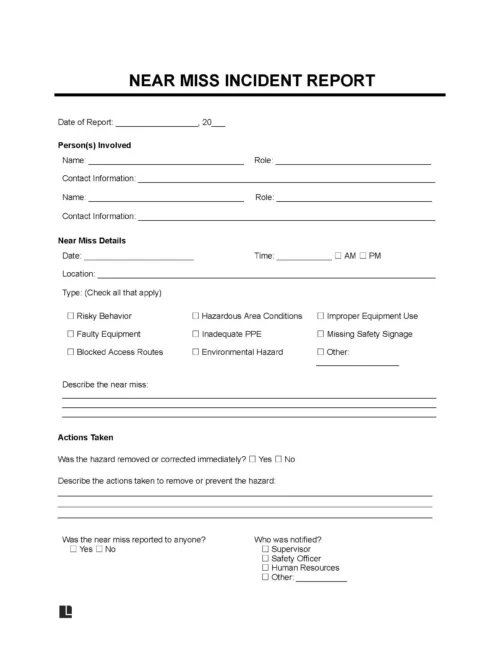
Document close calls in the workplace to identify hazards and prevent future accidents
Near Miss Incident Report
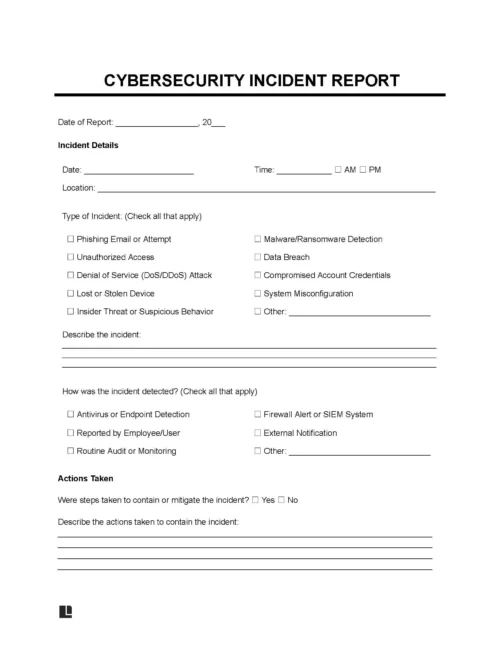
Record and respond to digital security threats to protect systems, data, and operations
Cybersecurity Incident Report

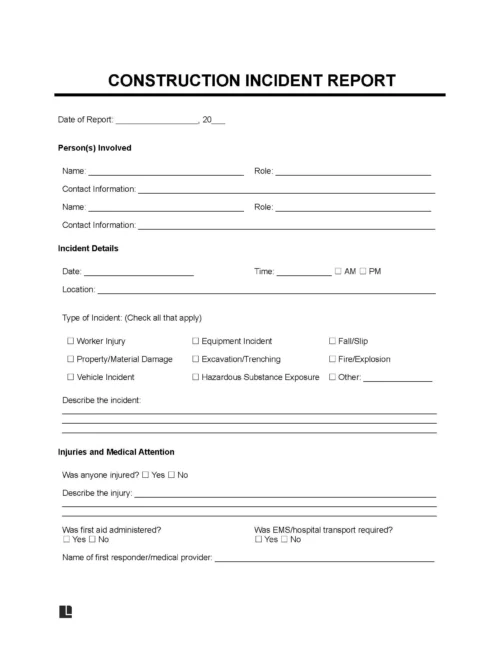
Document accidents, injuries, and safety issues that occur on a construction site
Construction Incident Report
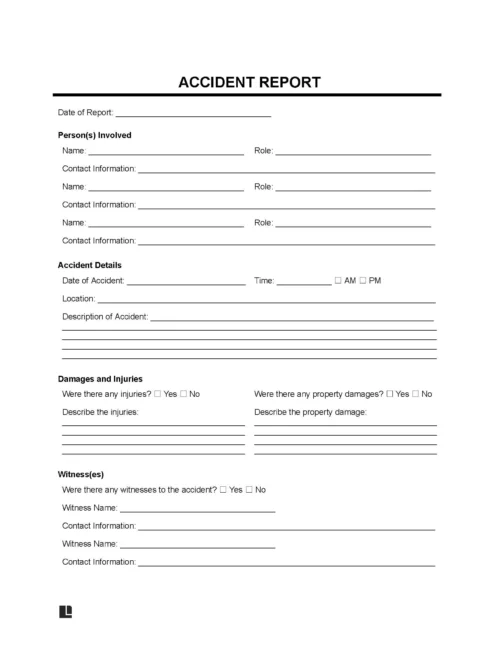
Record details of an event that caused harm or had the potential to, including injuries, damage, and actions taken
Accident Incident Report
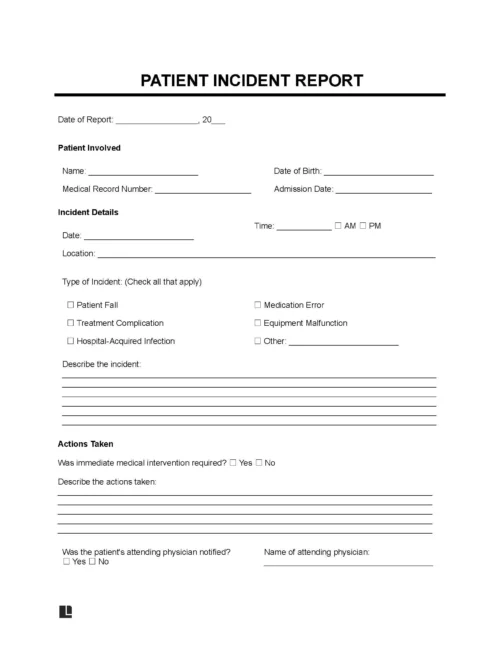
Summarize details of any unexpected event or accident involving a patient during care
Patient Incident Report
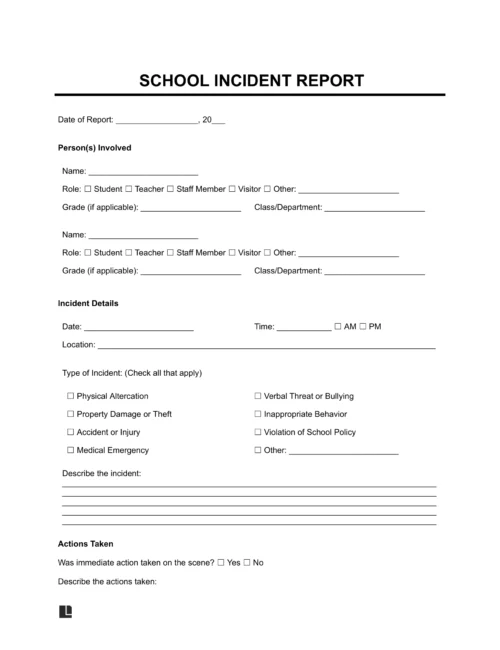
Record any incidents that affect students or staff in a school environment
School Incident Report
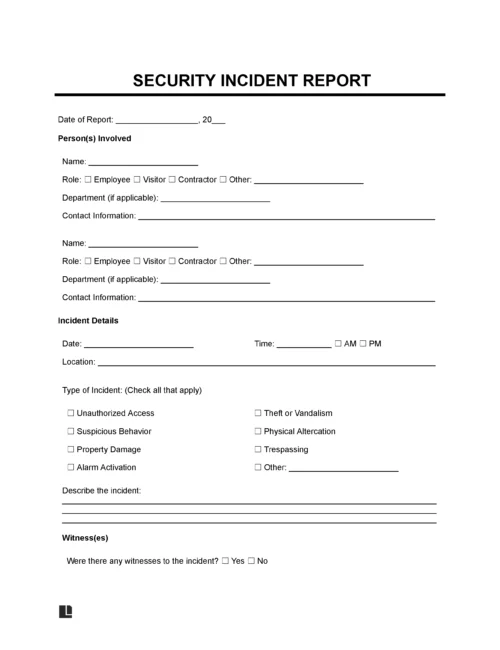
Put events that compromise security, like workplace violence or data breaches, in writing
Security Incident Report
What Is an Incident Report?
An incident report is a written record of an unexpected event, safety concern, injury, damage, close call, or other issue. It explains the key facts, including what happened, who was involved, when and where it occurred, and what response may be needed.
A standard incident report form helps put those details into a clear record. It can document events that caused harm, damage, or concern. Incident reporting also covers near misses, where something could have gone wrong but didn’t. Once completed, an incident report can help reviewers understand the situation, decide on next steps, and identify concerns that may need a closer look.
Depending on the situation, incident reporting may also involve notifying a supervisor, insurer, school official, healthcare lead, or law enforcement. Follow the reporting process that applies to the type of incident you’re documenting.
How to Write an Incident Report
Learning how to write an incident report helps you create a clear record of what happened. Our incident report template guides you through the key details, including who was involved and what may need to happen next. Use the steps below to fill it out.
1. Fill In When, Where, and Who Was Involved
Begin with the details that help someone quickly understand where the incident happened and who was part of it. Add the date, time, and exact location first. Then name the people involved and any witnesses. Our incident report template asks for witness contact details or statements, so include those too. These details help reviewers piece together the timeline and follow up with the right people.
Write the incident report as soon as possible after the event. Details are easier to remember, and witnesses may give more accurate accounts when less time has passed.
2. Describe What Happened
Next, explain the incident in a way that someone who wasn’t there can understand. Cover what happened before, during, and after the event when those details help tell the full story.
Add the actions, conditions, or other facts that explain what took place. When relevant, say whether a detail came from your own observation or from someone else’s account. For example, you might write that a visitor reported slipping near an entrance after rainwater tracked inside, rather than saying the floor was carelessly left wet.
Focus on what was seen, heard, reported, or documented. A fact-based report is easier to review and act on. Avoid guessing, assigning blame, or deciding who was at fault.
3. Record Any Injuries, Damage, or Risks
Explain the impact of the incident. Note any injuries, illness, property damage, safety concerns, or near misses. Say who was hurt, what was damaged, or what risk needs attention. If no one was harmed, explain what could have happened. For example, describe a loose railing that nearly gave way while someone was using the stairs. That detail helps reviewers understand the seriousness of the situation.
Treat a near miss as a warning sign. Document it so reviewers can address the hazard before someone gets hurt.
4. Explain What Was Done Right Away
The first response is the moment that shows whether the situation was handled responsibly. Describe what happened right after the incident, including steps such as:
- Giving first aid
- Calling emergency services
- Moving people to safety
- Notifying a supervisor
- Securing the area
These details show how the situation was handled in real time. They also help reviewers understand whether immediate needs were addressed, whether the area was made safer, and what follow-up may still be needed.
If the incident was handled properly, the parties may sign a release of liability waiver to absolve each other of claims related to the incident.
5. Add Any Next Steps
Finish by showing what needs to happen after the report is complete. Identify who should review it or receive it, depending on the situation. That may be a supervisor, administrator, HR team, security lead, healthcare staff, insurer, or another appropriate contact.
Then add any follow-up steps. These may include gathering witness statements, reviewing footage, repairing damage, or checking into a safety concern. Review what led to the event, too. That review can help the right people address concerns, improve procedures (like creating an emergency action plan), and lower the chance of similar issues down the line.
A strong incident report should make the event easy to understand and the follow-up easier to act on. Legal Templates’ standard incident report form helps you organize the facts, explain the response, and create a report that’s easy to follow.
Some incidents call for extra reporting or recordkeeping. You may need to follow workplace, school, healthcare, insurance, or internal rules along with completing the incident report. For example, an employee handbook may explain how workers should report issues and who they should contact.
Incident Report Example
The sample example of an incident report below shows how a completed incident report template may document a workplace slip and fall. It walks through what happened, the reported injury, the response taken, and the documents attached to back up the report.
Date of Report: May 16, 2026 Name: Jordan Ellis Date of Incident: May 15, 2026 Location: Rear storage area near loading door Description of Incident: Were there any injuries? Yes Description of Injuries: Description of Property Damage: Were there any witnesses to the incident? Yes Witness Name: Morgan Lee Witness Role: Coworker Witness Contact Information: [email protected]; (555) 013-4482 Witness Statement: Morgan Lee reported that the floor appeared wet before Jordan Ellis slipped near the loading door. Was the police notified? No Was a police report filed? No Description of Medical Treatment: Actions Taken: Are supporting documents attached? Yes Supporting Documents: Name: Taylor Morgan Signature: Taylor Morgan
Person(s) Involved
Incident Details
Time: 2:15 PM.
Jordan Ellis was carrying a box through the rear storage area when they slipped on a wet patch on the floor near the loading door. The box fell to the ground, and Jordan landed on their left knee. A coworker nearby reported that the floor appeared wet before the fall.Damages and Injuries
Were there any property damages? No
Jordan reported pain and swelling in the left knee after the fall.
None reported.Witness(es)
Actions Taken
Was medical treatment provided? Yes
A supervisor provided an ice pack and arranged for Jordan to be evaluated at a nearby urgent care clinic.
The wet area was blocked off, and a caution sign was placed nearby. Maintenance was notified to inspect and dry the floor. The supervisor documented the incident and collected a witness statement.Supporting Documents
Witness statement, photo of wet floor, urgent care noteReporting Person
Role: Shift Supervisor
Date: May 16, 2026
Incident Report Sample
View our sample incident report template below to see how the form organizes key details, from who was involved and what happened to injuries, witnesses, actions taken, and supporting documents. Then customize the blank incident report template and download a printable incident report in Word or PDF.